


Our services
What people say about us
See what the people and companies who chose us have to say. Their experiences show the value of our work, every day.
P. Colamussi
Hardworking digital professionals who cover everything from web marketing to building incredible web portals. Always available and ready to take on new challenges. I can't recommend them enough!
R. Zampetti
I've been working with the team for about two years on graphics, brochures and, most recently, my company's new website.
Davide and his team offer a 100% serious and professional service. They meet deadlines, know how to organize and tastefully adapt the content they're given, and provide full support once the work is delivered. Competition in this market is high and I've worked with several agencies, but I can assure you it's not at all easy to find partners like them. I absolutely recommend them.
D. Bricco
We work with them on many projects, especially when our clients come to us with very specific requests. With them, you can always count on a super precise, skilled and professional partner for your agency.
Alessia Agazzi
Whenever I have a question, the SHM Studio team is always available and ready to answer. Even after the website was delivered, Davide has supported me (and still does) with patience and professionalism. I truly feel supported! Highly recommended for anyone looking for continuous, reliable support.
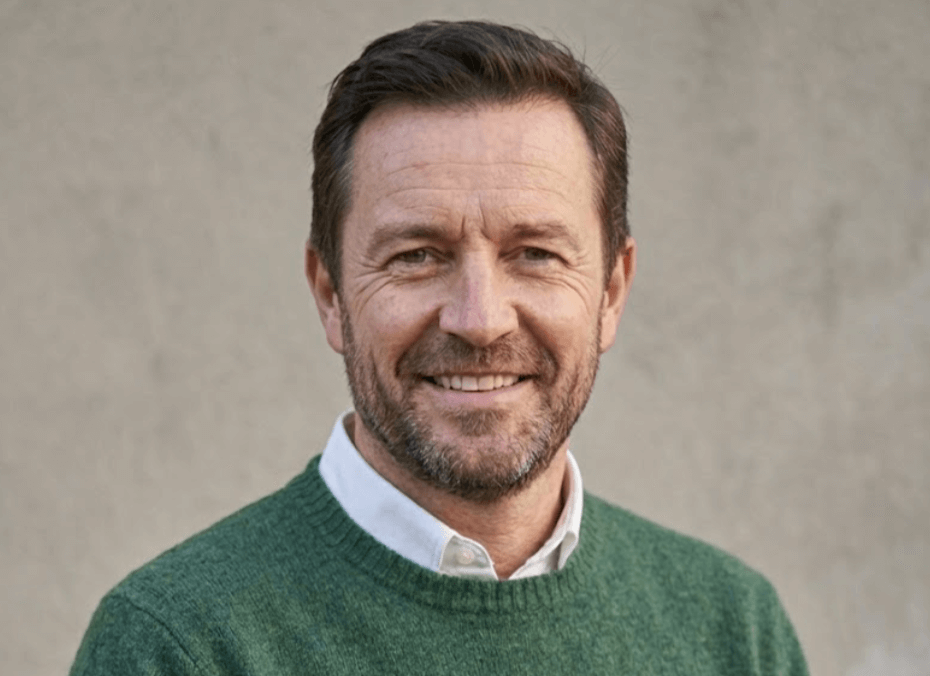
Matteo Rinaldi
When I decided to refresh my company's image, I was full of
doubts. SHM Studio guided me with patience, listening to every need and
proposing innovative solutions. The new website received compliments from all
our customers. A truly positive experience!
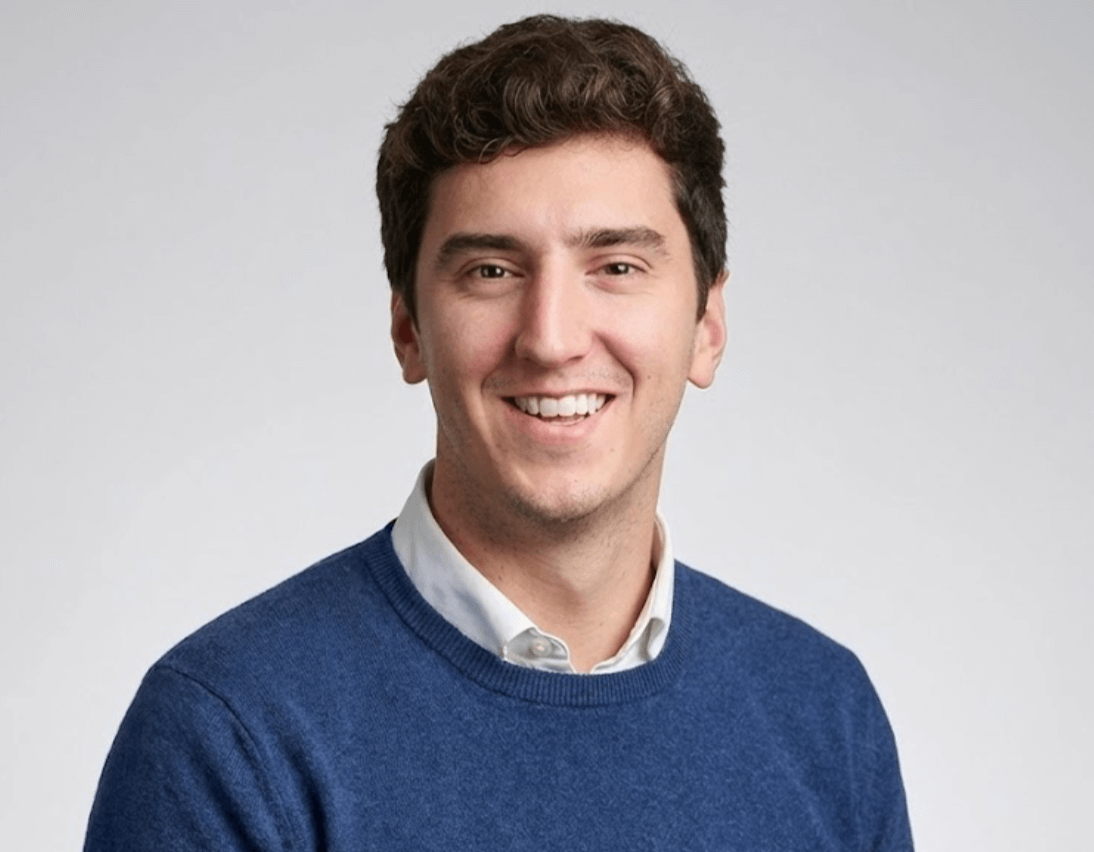
Riccardo Boschi
Our company was practically invisible on Google, despite our efforts. With Davide's SEO consulting and SHM Studio, we finally understood where we were going wrong. After just a few months, thanks to consistent and transparent work, we reached the first page for our keywords. Highly recommended for anyone who wants concrete results!

5 Minute Studio
Our logistics company needed to modernize its digital approach to stay competitive. A trusted contact recommended SHM Studio, a web agency in Milan, and after an initial consultation we decided to move forward. Their team delivered a complete digital audit, redesigned our website to improve usability and implemented an SEO strategy that quickly improved our search engine rankings. They also set up analytics tools so we could track results. The improvements in our online visibility and lead generation were clear and measurable. I recommend SHM Studio to any company looking for expert digital guidance and concrete results.



Doing tourism marketing in Florence means working in a city that doesn't need to introduce itself, yet where your property can disappear among thousands of alternatives just a few blocks away. Travelers have already chosen the destination. What they still have to decide is where to sleep, how many nights to stay and which channel to book through. Those three choices are what the work is all about for Florentine hotels, historic residences and hotel groups.
In a market where short-term rentals are growing faster than hotels, and where a huge share of visitors arrive in the morning and leave in the evening, you need sharp positioning, a website that really sells and campaigns that speak to the right markets. We started in Milan more than ten years ago, we work with companies all over Italy, and on every project you get a senior person as your direct point of contact, with no middlemen.

What we offer companies looking for tourism marketing
A reason to choose you
In Florence, guests compare your hotel with dozens of apartments on the same street. With branding, we define what makes you different, whether it's the history of the building, the service, the location or the experience, and turn it into recognizable messages at every touchpoint, from your Google listing to the confirmation email.
Hotel website and booking engine
We build websites designed for people who book from their smartphones, often from abroad and with little time. The hotel booking engine is built into the journey, direct rates are clear, and every page answers the doubts that make people abandon a booking: location, accessibility, services, cancellation policies.
Hotel SEO by area and experience
Generic searches for hotels in the city are dominated by the booking portals. With a targeted SEO strategy, we focus on more specific searches tied to neighborhoods, museums, events and type of stay, where a property with well-crafted content can still compete and reach guests who are close to deciding.
From day trip to overnight stay
Many visitors see Florence in a few hours and move on. With Meta campaigns, we reach people who are planning their trip with offers that give them a reason to stay: an evening in the city, an early-morning experience, a package that makes the extra night the easiest choice.
The US market and new markets
The United States accounts for a large share of foreign visitor stays in the city, and your English has to be flawless. With Google Ads campaigns, you cover searches for your name in that market and, at the same time, open channels to other countries, so you don't depend on a single source.
Requests handled in multiple languages
A Florentine hotel gets questions at all hours and from every time zone. With AI and automation, we set up fast, consistent replies in multiple languages, sort group and event requests, and leave the front desk only the conversations that truly need a person.
Tourism in Florence in 2025: strong demand, little loyalty to the direct channel
The City of Florence's 2025 data, compiled by the Centro Studi Turistici, describe a city that keeps growing. In the first ten months of the year, arrivals passed 4 million and overnight stays reached 9.7 million, up 8.5% on the same period of 2024. The figures are partial, but the direction is clear.
Within this growth, though, there's a problem for anyone running a hotel. The same release shows how the additional overnight stays in the first ten months of 2025 were distributed, compared with the previous year, across the different types of accommodation. The chart speaks for itself:
Hotels gained about 25,000 overnight stays, non-hotel accommodation 274,000 and tourist rentals 463,000. In other words, new demand is going mostly outside the hotel circuit, often through platforms that put your hotel next to an apartment with price as the only basis for comparison. For hotels and hotel groups, the answer isn't to chase price, but to build a brand and a direct channel that give guests different reasons to choose you.
The second theme is tourism that doesn't stay overnight in the city. According to the City again, in 2025 there were about 8 million day-trippers, and between January and October tourist bus permits reached 50,333, up 45.3%. It's an enormous flow that passes through Florence without staying the night: even converting a small share into overnight stays, with targeted offers and content, is worth a lot to a hospitality business.
Finally, the market mix: the United States accounts for 29% of foreign overnight stays in the city. Communicating flawlessly with American audiences is essential, but relying so heavily on a single market is also a risk to manage. That's why we work on two fronts at once: strengthening US guests and gradually opening European and long-haul markets, language by language.
Taken together, these figures point to three priorities for an established Florentine property. The first is to stand out from short-term rental offers with a brand and a service that price alone can't tell. The second is to use content and campaigns to lengthen stays, reaching those who currently think of Florence as a stop of a few hours. The third is to spread risk across several markets, without weakening the relationship with American guests. The weight of each priority changes from hotel to hotel, which is why we always start from your booking data, not from a one-size-fits-all recipe.
Incentives for tourism marketing in Florence in 2026
As of 06/10/2026, the Camera di Commercio di Firenze has two OPEN measures for micro, small and medium-sized businesses in the metropolitan area: one for the sustainable transition of tourism businesses, one for internationalization.
| Tool | Status | Period | What it covers |
|---|---|---|---|
| Intervento a sostegno della transizione sostenibile delle micro, piccole e medie imprese turistiche della città metropolitana di Firenze anno 2026 Camera di Commercio di Firenze | Open | from 4:00 PM on 06/23/2026 to 4:00 PM on 12/31/2026 | Tourism SMEs only, and only investments in goods (charging stations, e-bikes, efficient lighting, water saving): 50%, up to €3,000. Does not cover marketing, consulting or digital services. |
| Support for the internationalization of micro, small and medium-sized enterprises in the metropolitan city of Florence, 2026 Camera di Commercio di Firenze | Open | from 11:00 a.m. on 09/24/2026 to 4:00 p.m. on 12/31/2026, while funds last | MSMEs in the metropolitan city of Florence: 50% of expenses, up to €7,000, for trade shows in Italy and abroad and for services, including foreign-language digital marketing campaigns, digital export managers and consulting. |
Be careful not to mix them up. The call for tourism businesses covers only goods and sustainability investments, from charging stations to efficient lighting, with a 50% grant up to €3,000: it doesn't cover marketing, consulting or digital services, so it doesn't fund a website, SEO or campaigns. The internationalization call, on the other hand, is open to all SMEs in the metropolitan area, and among the services under line 3, with a maximum of €2,500, it explicitly mentions digital marketing campaigns in a foreign language. It can therefore be relevant for a campaign aimed at international guests, but requirements and eligible expenses must be checked in the official text before any commitment: we never assume an expense qualifies. If the grant comes through, great; but your strategy must stand on its own without it, because a call covers part of the cost and only for a limited period, while the direct channel has to be built and maintained over time.
Case study: Spaesati, tourism and content in Tuscany
Spaesati is a tourism project in Tuscany, not in Florence, for which we handled editorial design, keyword research, SEO, and social media and community management. The work started with a simple question: how do people search for a place to discover? From there, we organized the content by theme and experience, so it would be easy to find and enjoyable to read. There are no published numerical results for this project, and we don't show any.
Why does this matter if you run a property in Florence? Because the same method turns a passing visitor into a guest who stays: content that shows the city beyond the beaten path, experiences to enjoy in the evening or early morning, a community that keeps following you after the stay. In a city this heavily visited, a well-crafted story about the area is also what sets you apart from any generic listing: it shows that you know the city and can guide your guests, and it's one more reason to book directly with you. You can see the project in our portfolio: Spaesati.
Want to understand how much of your demand still comes through travel portals, and what you can bring back to your own website? Request a free 30-minute audit: you'll hear back from a senior person, not an automated form.
FAQ
Our FAQ section offers clear, concrete answers for anyone who has heard about web agencies and wonders what a team of professionals can really do for them.
It includes positioning your property against short-term rentals, a multilingual website with an integrated booking engine, SEO focused on neighborhoods, museums and experiences, Google and Meta campaigns split by market, and automated handling of inquiries in multiple languages. In Florence, differentiation matters most: with so much supply concentrated in the center, guests need to understand within seconds why they should choose your hotel. We decide the order of actions together, starting from your booking data.
First, by covering searches for your own name: many guests find you on a travel portal and then search for you on Google. If they find a clear website and a concrete benefit there, they book with you. Then, by working on the mobile booking journey, direct rates, and offers that encourage guests to stay one more night. Finally, by nurturing your relationship with past guests, the easiest audience to bring back to the direct channel.
English is a must, and it needs to be written for an American audience as well as a European one: according to the Comune di Firenze, the United States accounts for 29% of foreign stays. We choose the other languages based on your property's data and the markets you want to grow, to reduce dependence on a single country. Every language you activate deserves real attention, with its own content and search research, not just a translation.
Yes, with limits. As of 06/10/2026, two Camera di Commercio di Firenze programs are OPEN for micro, small and medium-sized businesses in the metropolitan area. The one for the sustainable transition of tourism businesses (from 4:00 PM on 06/23/2026 to 4:00 PM on 12/31/2026) covers only physical assets, not marketing. The one for internationalization (from 11:00 AM on 09/24/2026 to 4:00 PM on 12/31/2026, until funds run out) includes digital marketing campaigns in foreign languages. Always check the requirements in the text of the call.
For a group with several properties in the city, the risk is that the hotels compete with each other for the same searches. We define a distinct positioning for each one, by price tier, audience and experience, and keep it all under a single direction for brand, website and campaigns. You get one senior contact for the whole group and a single view of the data, showing which property and which channel drive direct bookings and which markets are worth developing.
By turning it into a concrete reason to choose you, not a page of historical notes. The palazzo, its rooms, artworks and anecdotes become content for your website, Google profile, social media and confirmation emails, written for a foreign traveler comparing your property with an apartment on the same street. With branding, we give this story a recognizable, consistent tone in every language. History works when it connects to the guest's experience: a room with frescoes, breakfast in a period salon, a guided tour of the building.

