


Our services
What people say about us
See what the people and companies who chose us have to say. Their experiences show the value of our work, every day.

P. Colamussi
Hardworking digital professionals who cover everything from web marketing to building incredible web portals. Always available and ready to take on new challenges. I can't recommend them enough!
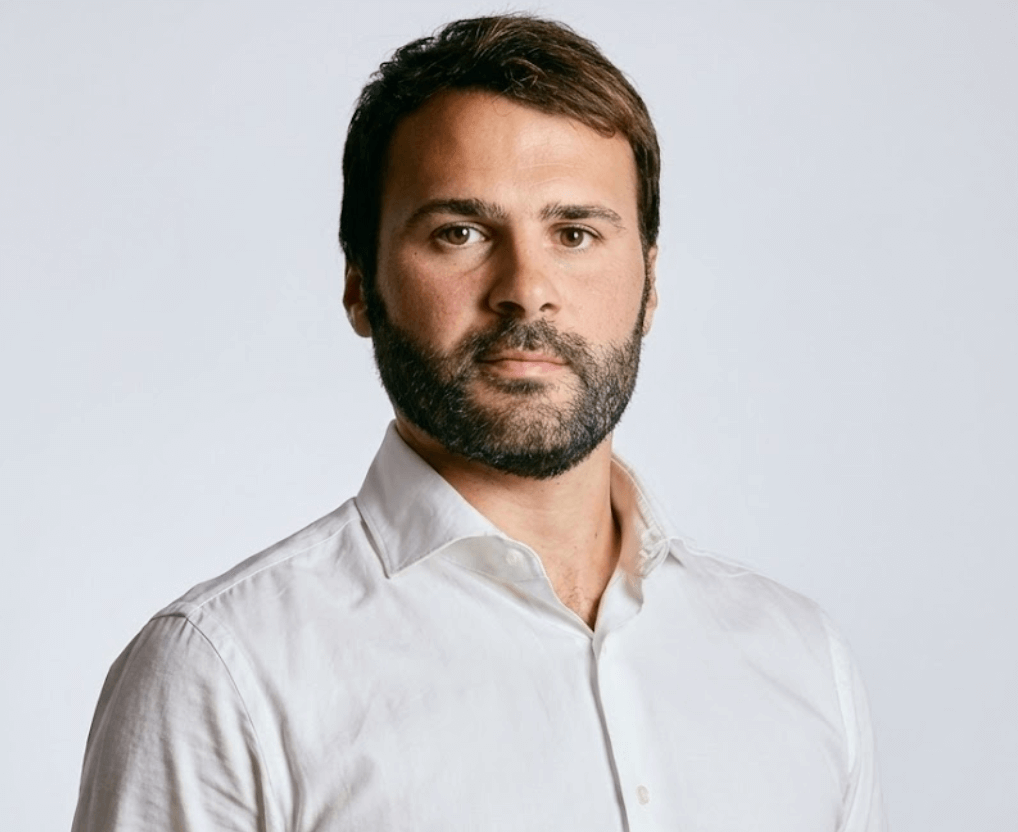
R. Zampetti
I've been working with the team for about two years on graphics, brochures and, most recently, my company's new website.
Davide and his team offer a 100% serious and professional service. They meet deadlines, know how to organize and tastefully adapt the content they're given, and provide full support once the work is delivered. Competition in this market is high and I've worked with several agencies, but I can assure you it's not at all easy to find partners like them. I absolutely recommend them.
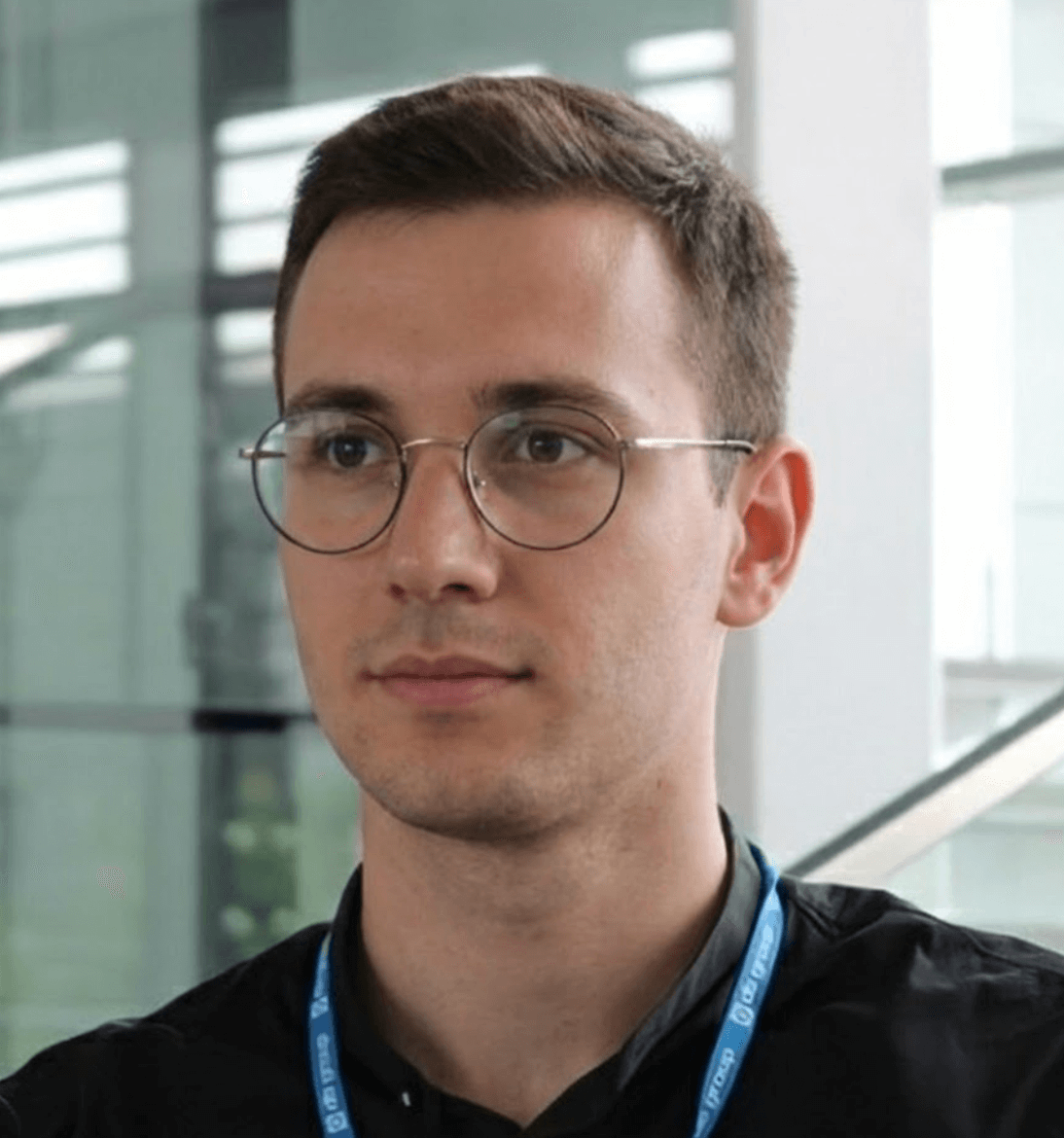
D. Bricco
We work with them on many projects, especially when our clients come to us with very specific requests. With them, you can always count on a super precise, skilled and professional partner for your agency.
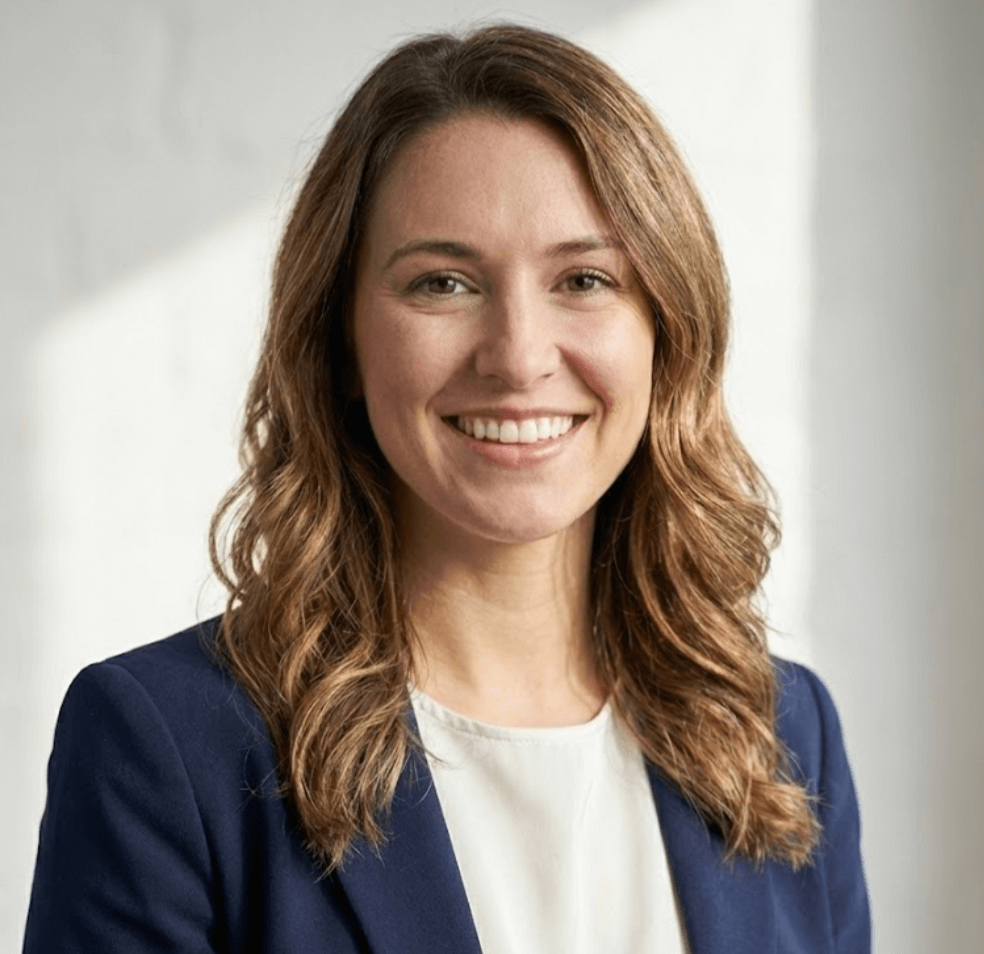
Alessia Agazzi
Whenever I have a question, the SHM Studio team is always available and ready to answer. Even after the website was delivered, Davide has supported me (and still does) with patience and professionalism. I truly feel supported! Highly recommended for anyone looking for continuous, reliable support.
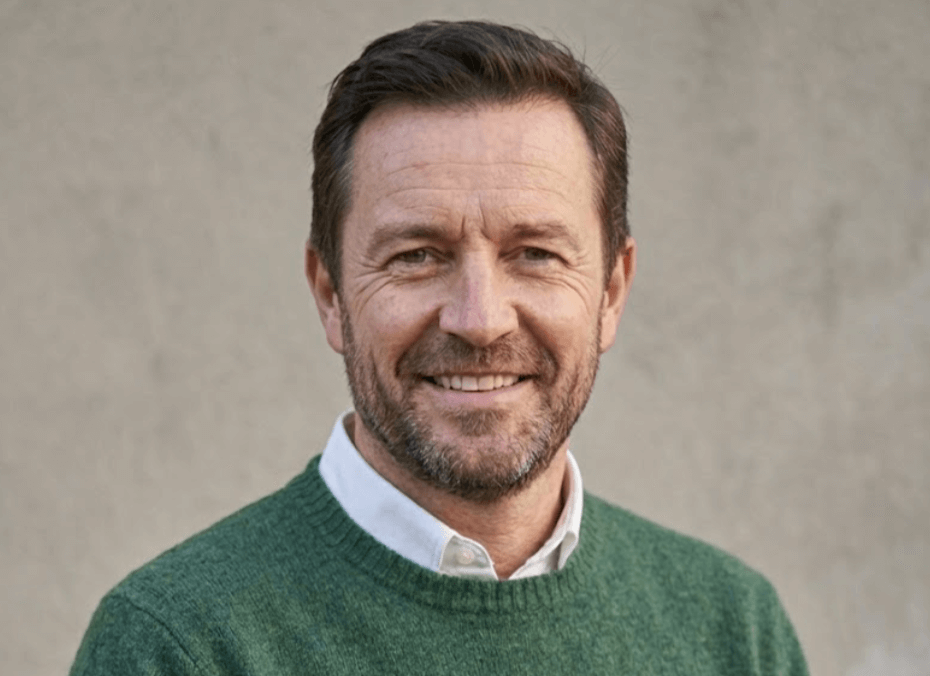
Matteo Rinaldi
When I decided to refresh my company's image, I was full of
doubts. SHM Studio guided me with patience, listening to every need and
proposing innovative solutions. The new website received compliments from all
our customers. A truly positive experience!
Riccardo Boschi
Our company was practically invisible on Google, despite our efforts. With Davide's SEO consulting and SHM Studio, we finally understood where we were going wrong. After just a few months, thanks to consistent and transparent work, we reached the first page for our keywords. Highly recommended for anyone who wants concrete results!
5 Minute Studio
Our logistics company needed to modernize its digital approach to stay competitive. A trusted contact recommended SHM Studio, a web agency in Milan, and after an initial consultation we decided to move forward. Their team delivered a complete digital audit, redesigned our website to improve usability and implemented an SEO strategy that quickly improved our search engine rankings. They also set up analytics tools so we could track results. The improvements in our online visibility and lead generation were clear and measurable. I recommend SHM Studio to any company looking for expert digital guidance and concrete results.

Tourism marketing in Bologna means working with guests who stay briefly, often come from abroad and decide fast. The city has become a hugely popular city-break destination, but success has a flip side: every short stay has to be won all over again, and without a strong direct channel, portal commissions eat a big share of the margin on every room sold. Whether you run a hotel in the center, a chain with several properties in the city or a place in the hills, the real question is how to turn Bologna's visibility into bookings that come through your own website.
As a tourism marketing agency, we work with established hospitality businesses, not individual short-term rental apartments. We started in Milan more than ten years ago, we work with companies all over Italy, and every project has a senior person as your direct contact, from analyzing booking data to measuring results. No standard packages: the plan starts from your markets, your rates and what commissions cost you today.

What we offer companies looking for tourism marketing
Search in English and German
Bologna's top international markets are Germany, the United States and the United Kingdom: visitors from those countries search for hotels, neighborhoods and experiences in their own language. We build a separate SEO strategy for each market, with pages written for those searches rather than simple translations of the Italian site, because hotel SEO in German follows different logic from English.
A website that stands up to the OTAs
Guests compare prices across multiple open tabs. We design hotel websites that load fast, show the direct rate and conditions right away, and lead to the booking engine with no detours. Every page has a measurable goal, from the room page to the page dedicated to the neighborhood or the event that brings guests to the city.
Packages that extend the city break
With short average stays, every extra night changes your margin. We design packages built around food, museums, the hills and the Apennines, pre-arrival upselling offers and incentives to come back in another season, and we promote them with Meta campaigns aimed at people who have already visited your site or stayed with you.
Campaigns for quieter periods
2025's growth won't repeat on its own: in the first months of 2026, arrivals and overnight stays rose by only 2%. With Google Ads campaigns you cover searches for your property's name and for the dates of conferences and events, filling the periods you currently leave to the portals.
An identity for a city group
If you manage several properties across the city and province, each one risks speaking differently and stealing guests from the others. With branding we give the group a clear identity and each property a precise positioning, for business travelers, families or those looking for the historic center. That way, your campaigns stop competing with each other too.
Fast answers in multiple languages
Emails, chats and messages arrive at all hours and in different languages. With AI and automation we set up instant replies to frequent questions, route group and corporate requests to the right department and collect contacts in your CRM, without taking time away from the front office for guests already on property.
Tourism in Bologna: numbers, markets and length of stay
Bologna is one of the top tourist destinations in Emilia-Romagna. According to the 2025 tourism data from the Emilia-Romagna Region, the province passed 3.17 million arrivals (+10.66%) and recorded 7.18 million overnight stays. In the city alone, between January and August 2025, Bologna Welcome counted 1,455,589 arrivals (+7.6%).
The figure that matters most for a tourism web marketing plan is another one: in the city, 61% of arrivals between January and August 2025 were international, again according to Bologna Welcome, the destination's official DMO. The chart shows overnight stays from the three main international markets in the metropolitan area over the same period.
Germany, the United States and the United Kingdom account for 243,850, 222,950 and 187,040 overnight stays respectively: three different audiences in language, search habits and reasons for travel, who rarely respond to the same message or campaign. Treating them as a single "foreign audience" is one of the most common mistakes on city hotel websites.
Then there's the matter of pace. The ratio between arrivals and overnight stays in the province points to short stays, typical of a city break: lots of guests, few nights each. And after a very strong 2025, Bologna Welcome's data for January-April 2026 show 700,440 arrivals, with 2% growth in both arrivals and overnight stays. Demand is there, but it no longer grows on its own, and those who invested only in portals notice first.
For a Bologna hotel or group, this translates into three priorities: covering search in English and German to depend less on OTAs, extending stays with packages, upselling and CRM, and using conferences, events and the Apennines to even out the quieter periods. They're different levers, but they need to be managed together: a long-weekend package only works if someone finds it, and an events campaign only pays off if the site converts.
Incentives for tourism marketing in Bologna in 2026
As of 11/02/2026, none of the tools we checked for Bologna hotels is open: the EuReCa Fund, which financed investments in the property rather than marketing, expired on October 30, 2026, and the regional tourism marketing call is closed.
| Tool | Status | Period | What it covers |
|---|---|---|---|
| Fondo EuReCa - Investments for upgrading, strengthening and diversifying the tourist accommodation offering Emilia-Romagna Region | Closed | opens February 16, 2026, closes October 30, 2026 at 11:55 PM | SMEs running hotels and open-air accommodation: renovation, furnishings, equipment, new services and digital or sustainable solutions. Interest subsidy plus a fixed €10,000, maximum €150,000. Covers investments, not marketing services. |
| Tourism commercialization for 2026 Emilia-Romagna Region (L.R. 4/2016) | Closed | from November 18, 2025 (10:00 AM) to December 18, 2025 (1:00 PM) | Tourism SMEs participating in their Tourist Destination's program: promotion and commercialization projects, funding up to 50%. Covers marketing activities. Annual call: 2027 edition not yet published. |
Both tools are regional and also apply to Bologna and its province. The EuReCa Fund, which closed on October 30, 2026, was useful for those renovating rooms and common areas or introducing new digital and sustainable services and solutions: an interest-rate subsidy of up to 6% plus a fixed amount of €10,000, with a cap of €150,000. It did not pay for a website, SEO or campaigns, though. The tourism marketing call, on the other hand, covered promotion and marketing, up to 50% under de minimis rules, but it was open only from November 18 to December 18, 2025, and only to SMEs participating in the program of their own Tourist Destination, here metropolitan Bologna. The 2027 edition has not been published yet: if you're interested, check your eligibility in good time and read the new text before planning any expense.
Case study: Spaesati, content and SEO for tourism
Spaesati is a tourism project in Tuscany, so far from Bologna geographically but close in the kind of challenge: describing a place so that people searching for it online find it and want to go. For Spaesati we worked on keyword research, SEO, editorial design, and social media and community management.
There are no published numbers for this project, and we won't make any up. Instead, here's why the method works for a hotel in Bologna. People planning a weekend in the city look for the neighborhood, the food, the exhibition, the event, and only then the place to stay. If your content answers those first questions, you enter the decision before the booking portal does. The editorial work we did for Spaesati, with topics organized the way travelers search for them, is the foundation: neighborhood guides, food itineraries, content tied to exhibitions, trade fairs and conferences, written in your guests' languages and linked to your room pages. That way, every piece of content works for both visibility and bookings. Read more about the Spaesati case in our portfolio.
Want to know how many of your rooms in Bologna you could sell through your own website instead of the portals? Request a free 30-minute audit.
FAQ
Our FAQ section offers clear, concrete answers for anyone who has heard about web agencies and wonders what a team of professionals can really do for them.
For a hotel in Bologna, tourism marketing brings together four areas: a fast hotel website with a booking engine, content and SEO in Italian, English and German, campaigns focused on your brand, event dates and international markets, and a CRM that drives upselling and repeat stays. The weight of each depends on your guests: a central hotel with many international visitors starts with international SEO, while a property that works with conferences and companies starts with search campaigns. We define this together in the initial audit.
By working on the moments when the guest decides. Before: get found when they search for a hotel in a neighborhood or for an event, with SEO and targeted campaigns. During: offer a clear direct rate on your site, real perks and a booking engine that's fast on smartphones. After: collect their contact details and invite them back, perhaps for an exhibition or conference the following season. With short stays like those typical of Bologna, even a small shift toward the direct channel is felt in the commissions you pay to portals.
At least Italian and English, and for good reasons German too. According to Bologna Welcome, between January and August 2025, 61% of arrivals in the city were international, and the top markets by overnight stays were Germany, the United States and the United Kingdom. English covers two of these markets, German the first. Other languages can be added if your property management data shows an audience that truly matters. Quality counts: pages written for a specific market perform better than machine translations of the entire site.
As of 11/02/2026, the Region's EuReCa Fund is CLOSED: it was open from February 16 to October 30, 2026 and financed investments in hotels and open-air accommodation, not marketing services. The tourism marketing call for 2026 is also CLOSED: the window ran from November 18 to December 18, 2025 and was reserved for SMEs participating in the Tourist Destination's program. It covered promotion and marketing up to 50%. The 2027 edition has not been published yet: always check the requirements in the official text before deciding.
We start with a free 30-minute audit of channels, markets and the weight of OTAs. Then we define the role of each property in the group, so that a hotel for business travelers and one designed for weekend stays don't compete for the same searches. Next come a website or dedicated sections, SEO by market, coordinated campaigns and automations for inquiries. A senior SHM team member stays your direct contact from start to finish, and we measure results by direct bookings, length of stay and commissions saved.
By making good use of the data you already have. Someone who stayed at your hotel in Bologna for work, for a conference or for a weekend already knows your property and doesn't need a portal to come back. We collect contacts in compliance with privacy rules, organize them in a CRM by travel purpose and language, and set up targeted communications: direct offers for quieter periods, invitations to events in the city, perks for those who book on your site. With AI and automation, these messages go out at the right moment, without burdening the front desk.

