


Our services
What they say about us
Discover what people and companies who have chosen us say about us. Their experiences tell the value of our work, every day.

P. Colamussi
Digital professionals who work hard, ranging from web marketing to the development of incredible web portals. Always available and ready to take on new challenges. I couldn't recommend them more!
R. Zampetti
I have been collaborating with the guys for about two years for the creation of graphics, brochures and, last but not least, for my company's new website.
Davide and the guys offer a 100% serious and professional service. They respect delivery times, know how to organize and tastefully modify the content provided, and offer complete assistance once the work is delivered. Competition is high in this market and I have worked with several agencies, but I assure you it is not at all easy to find partners like them. I absolutely recommend them.
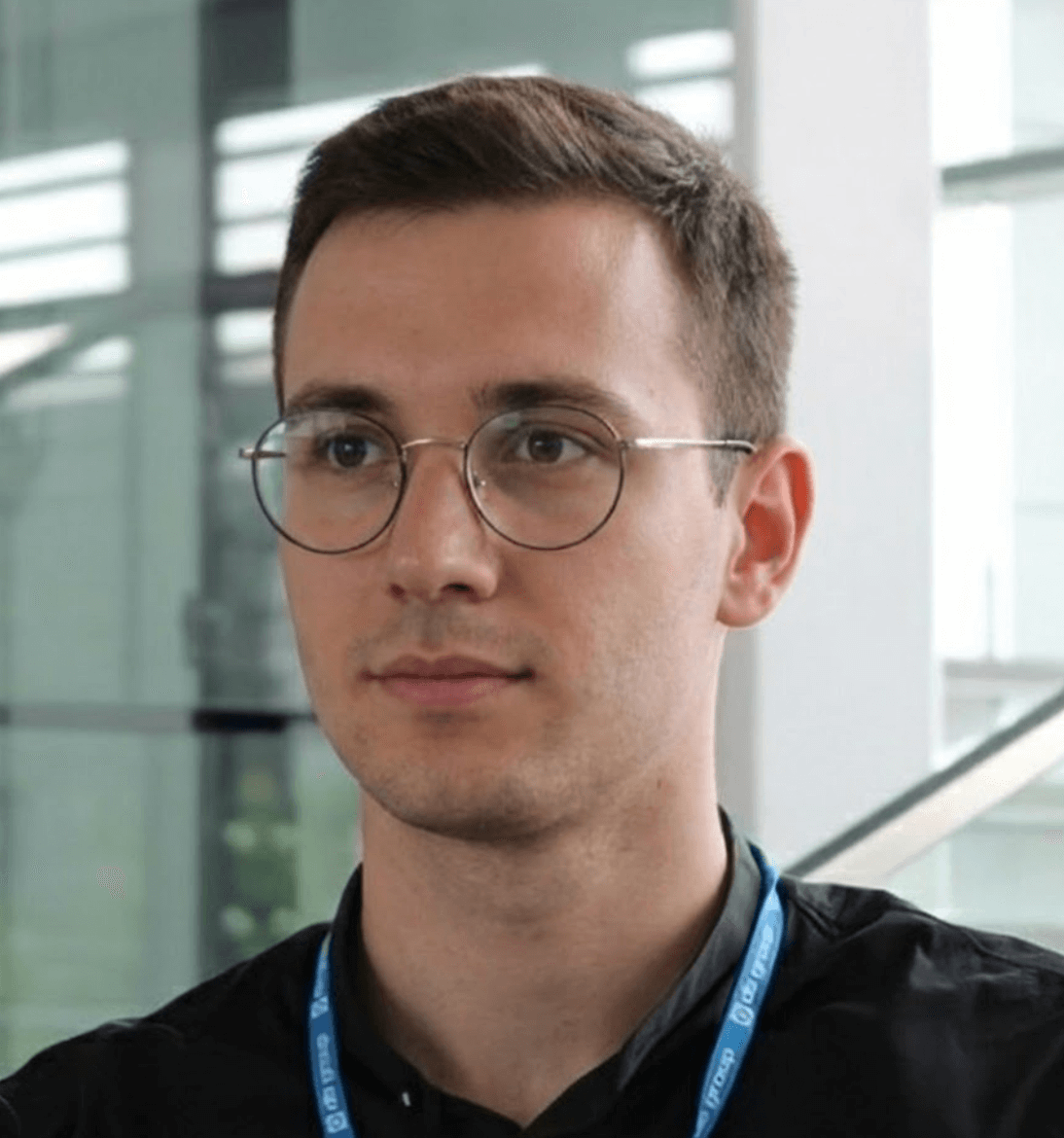
D. Bricco
We collaborate with them for various projects, especially when our clients come to us with very specific requests. With them you can always count on a super precise, competent and professional partner for your agency.

Alessia Agazzi
Every time I have a doubt, the SHM Studio team is always available and ready to answer. Even after the site delivery, Davide followed me (and still follows me) with patience and professionalism. I feel truly supported! Highly recommended for those looking for continuous and reliable assistance.
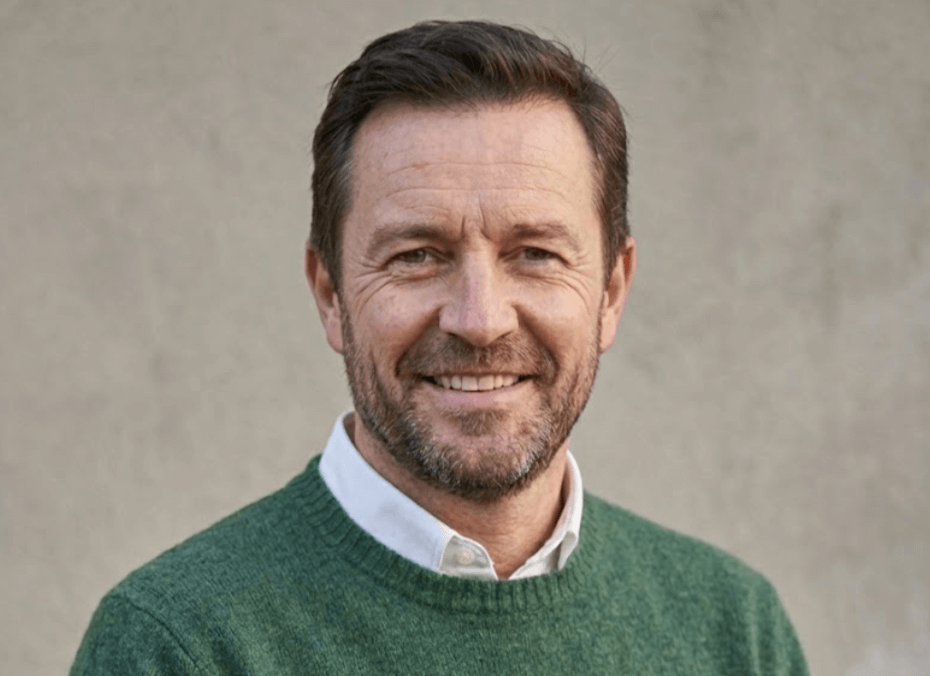
Matteo Rinaldi
When I decided to renew my company's image, I was full of
doubts. SHM Studio followed me patiently, listening to every need and
proposing innovative solutions. The new website has received compliments from all
our clients. A truly positive experience!
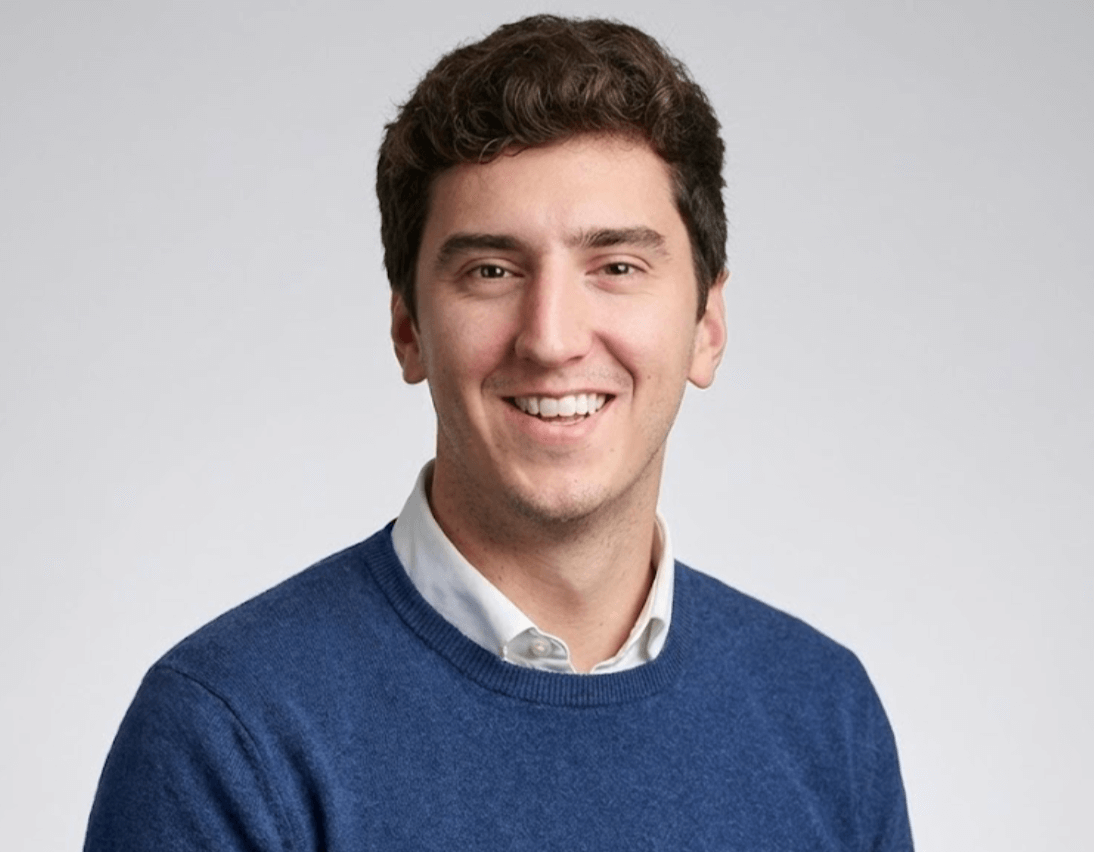
Riccardo Boschi
Our company was practically invisible on Google, despite our efforts. With the SEO consultancy from Davide and SHM Studio, we finally understood where we were going wrong. After a few months, thanks to constant and transparent work, we reached the first page for our keywords. Highly recommended for those who want concrete results!
5 Minute Studio
Our logistics company needed to modernize its digital approach to stay competitive. A trusted contact recommended SHM Studio, a web agency in Milan, and after an initial consultation, we decided to proceed. Their team provided a comprehensive digital audit, redesigned our website to improve usability, and implemented an SEO strategy that quickly improved our search engine rankings. They also set up analytics tools to allow us to monitor the results. The improvements in our online visibility and lead generation were evident and measurable. I recommend SHM Studio to any company looking for expert digital guidance and concrete results.







Tourism marketing in Emilia-Romagna starts from a fact that hotel managers and property owners know well: the Riviera brings in huge volumes, but they are concentrated in just a few months and centered around one product, beach tourism, which booking portals know how to sell better than anyone else. If you run a hotel group, a thermal spa hotel, or a property in an art city, the problem isn't getting noticed in August. It's filling rooms in March and November, selling a stay in the Apennines to people who only know the coast, and convincing international guests to book on your website instead of an OTA.
As a tourism marketing agency we work with established companies, not individual guest house owners: chains, groups with multiple properties, consortia, and businesses that already have significant revenue and want more control over their sales channels. We were founded in Milan over ten years ago, we work with companies all over Italy, and on every project you have a senior person as a direct point of contact, from the initial analysis to reviewing the results.

What we offer to companies looking for tourism marketing
Products beyond the beach umbrella
If a large part of the turnover depends on the summer season, the first job is to build offers that can stand on their own: city breaks, food and wine tours, thermal baths, hiking in the Apennines. We translate them into clear pages, packages, and messages, and with the Branding we give each product line a recognizable identity without diluting that of the group.
Hotel website with integrated booking engine
A hotel website must do one main thing: get the guest to book in as few steps as possible. We design Websites fast, with the hotel booking engine seamlessly connected, direct rates clearly visible, and content that clears up doubts before the guest goes back to the portal to compare prices.
Hotel SEO for foreign markets
The foreign segment is the one growing the most, and visitors from abroad look for things in their own language. We set up a SEO Strategy language by language, with pages designed for the actual searches of travelers in each market, and we take care of the SEO for AI to show up even when the itinerary is planned with an assistant.
Campaigns for slow months
Campaigns perform better when spontaneous demand drops. With google ads campaigns monitor searches for your property name and destination; with Meta campaigns reach those who have already visited the site or stayed with you, with offers built specifically around the periods when you have free rooms.
CRM and guest return
When arrivals grow more than nights, every stay is shorter and acquiring a guest costs more. This is why we work on the 'after': collecting contacts, messages before arrival to propose an extra night, targeted invitations to return in another season or at another facility in the group. With AI and automation you can do it without weighing down the front office.
Joint direction with the destination
In Emilia-Romagna, the marketing for a tourism business doesn't exist in a vacuum: Tourist Destinations promote the region, and some regional grants require participation in their programs. We help you align your channels with those of the destination, so campaigns, content, and schedules don't overlap, and your invested budget works towards the same goals.
Tourism in Emilia-Romagna: where visitor numbers are concentrated
According to 2025 tourism data for the Emilia-Romagna Region , the region exceeded 44.1 million stays (+3.9%) with over 13.2 million arrivals (+7.8%). The strongest push comes from abroad: 4.17 million foreign arrivals (+10%) and 14.1 million foreign stays (+7.9%).
The region, however, is not uniform. Demand is split among three main product offerings: the Romagna Riviera, with Rimini, Ravenna, Forlì-Cesena, and the Ferrara coast; the art cities, from Bologna to Parma, Modena, Ferrara, Ravenna, Reggio Emilia, and Piacenza; and the Apennines and thermal spas. The chart shows the provinces with the most visitors in 2025 according to the same regional source, making it clear just how heavy the coast's impact is.
Rimini alone accounts for 15.62 million visitors out of the regional total: a concentration that ties many hotel groups to a single season and a single type of holiday. Ravenna and Bologna follow closely, with 7.24 and 7.18 million respectively, but with very different audiences and seasonality. For those doing tourism web marketing in the region, these numbers present three practical challenges:
- dependence on the Riviera forces us to extend the season and sell products other than beach tourism;
- arrivals are growing at twice the rate of nights spent (+7.8% vs +3.9%): shorter stays, therefore higher acquisition cost for every night sold;
- foreign tourism is growing faster than average, and those who rely solely on OTAs leave the relationship with foreign guests to others.
The answer isn't to randomly add channels, but to decide which markets and which periods you want to grow, and measure every action against those priorities. A group with coastal hotels and an art city property, for example, can use the latter to sell short spring and autumn getaways to the same guests who choose the beach in the summer, rather than treating them like two separate businesses.
Then there is an aspect typical of this region: the Tourism Destinations system, which coordinates the promotion of local areas and affects access to certain grants. For an established business, this means planning campaigns and content while keeping the calendar of its destination in mind, so as to leverage the visibility the area already generates instead of competing with it for the same attention.
Incentives for tourism marketing in Emilia-Romagna in 2026
As of 10/06/2026, the EuReCa Fund for accommodation facilities is open until October 30, 2026, but it finances investments and not marketing; the regional call for tourism commercialization, which covers promotion and commercialization, is closed and the 2027 edition has not yet been published.
| Tool | Status | Period | What it covers |
|---|---|---|---|
| EuReCa Fund - Investments for the qualification, upgrading, and diversification of accommodation tourism offerings Emilia-Romagna Region | Open | opens February 16, 2026, closes October 30, 2026 at 11:55 PM | SMEs managing hotel and outdoor facilities: redevelopment, furnishings, equipment, new services, and digital or sustainable solutions. Interest subsidy plus a fixed €10,000, maximum €150,000. Covers investments, not marketing services. |
| Tourism marketing for the year 2026 Emilia-Romagna Region (Regional Law 4/2016) | Closed | from November 18, 2025 (10:00 AM) to December 18, 2025 (1:00 PM) | Tourism SMEs participating in their Destination's program: promo-commercialization projects, contribution up to 50%. Covers marketing activities. Annual call: 2027 edition not yet published. |
It is best to be clear about what each tool covers. The EuReCa Fund supports hotels, residence hotels, condhotels, and outdoor facilities that upgrade, buy furniture and equipment, or introduce new services and digital solutions: an interest-rate subsidy of up to 6% plus a fixed 10,000 euros, with a maximum of 150,000 euros. It is not designed to pay for SEO, campaigns, or marketing consulting. The tourism marketing grant instead covered precisely promo-marketing projects, with a contribution of up to 50% under de minimis, but it was reserved for SMEs participating in their Tourism Destination's program and the window closed on December 18, 2025. Since it is a recurring grant, it makes sense to prepare in advance; however, no expense should be assumed eligible before reading the new text.
Case study: Spaesati, tourism marketing in Tuscany
The project we're telling you about isn't in Emilia-Romagna: Spaesati is a tourism project in Tuscany, and we're mentioning it because it tackles the same challenge as many Emilia-Romagna destinations, which is to help discover places that aren't the traveler's first choice. We handled editorial design, keyword research, SEO, and social media and community management.
For this work there are no published numerical results, so we aren't showing you any. What we do pass on is the method: starting from how people search for a place before they even know it exists, organizing content by themes and experiences, and growing a community around that content that shares it. It's the same reasoning needed to get people to discover the Apennines or a less-traveled art city when today they only think about the coast. You can find the details in the Spaesati portfolio .
Want to figure out how many more nights you could sell outside the summer season, and from which markets? Book a free 30-minute audit and we will discuss it using your actual data.
FAQ
The FAQ section was created to offer clear and concrete answers to those who, hearing about web agencies, might wonder what benefits they can truly gain from a team of professionals.
Hotel tourism marketing covers everything that takes a guest from their initial search to a direct booking and, hopefully, a return stay: market and seasonality analysis, hotel website with booking engine, multilingual hotel SEO, low-season campaigns, lead management, and pre- and post-stay communication. For a Riviera hotel, the main focus is often on extending the season, while for an art city property, it's all about international visibility. We set the priorities after the initial audit, not before.
You need three conditions all at once. Your website has to show up when guests search for the destination or your property name, so SEO and brand campaigns. It has to convince them: clear direct rates, real perks compared to booking portals, and a fast booking engine even on smartphones. And it has to remember past guests, using a CRM that invites them back at the right time of year. Portals are still great for getting discovered, but they shouldn't be the only front door to your rooms, especially in the off-season.
It depends on who chooses you today and who you want to reach tomorrow, not on a fixed rule. Italian remains essential, English is the minimum for anyone working with foreign countries. In 2025, foreign arrivals in the region grew by 10% according to the Emilia-Romagna Region , so it's worth looking at your PMS data: if a market already holds weight, it deserves pages written in its own language, not auto-translated. Better a few well-cared-for languages than many neglected ones.
As of 06/10/2026 the EuReCa Fund is OPEN, from February 16 to October 30, 2026, but it covers investments in accommodation facilities and not marketing services. The tourism marketing call for the year 2026, which instead funded promo-marketing up to 50%, is CLOSED: applications could be submitted from November 18 to December 18, 2025, only for SMEs participating in the Tourist Destination program. The 2027 edition has not yet been published. Before counting on a grant, always check the requirements in the official text.
Let's start with a free 30-minute audit to figure out the structures, markets, and channels that currently impact your revenue. Then we build a single management system: a group identity, websites or dedicated sections for each property, an SEO strategy, and a campaign plan split by destination and season. You'll have a senior expert as your direct point of contact for the entire project, who coordinates the work and reports back to you with metrics agreed upon from the start, from direct bookings to the average length of stay.
Stop selling just the sea and start building products for the off-peak months: thermal spas, art cities, the Apennines, cycle tourism, food and wine, events, and stays for corporate groups. Each product needs dedicated pages, packages with specific dates, and campaigns that launch at the right time in markets that travel off-season. With the Meta campaigns you can reach those who have already stayed with you and those who have interests consistent with your offer. In Emilia-Romagna, it's also advisable to coordinate your calendar with the initiatives of your Tourist Destination, so as not to communicate alone.

