



Our services
What people say about us
See what the people and companies who chose us have to say. Their experiences show the value of our work, every day.

P. Colamussi
Hardworking digital professionals who cover everything from web marketing to building incredible web portals. Always available and ready to take on new challenges. I can't recommend them enough!
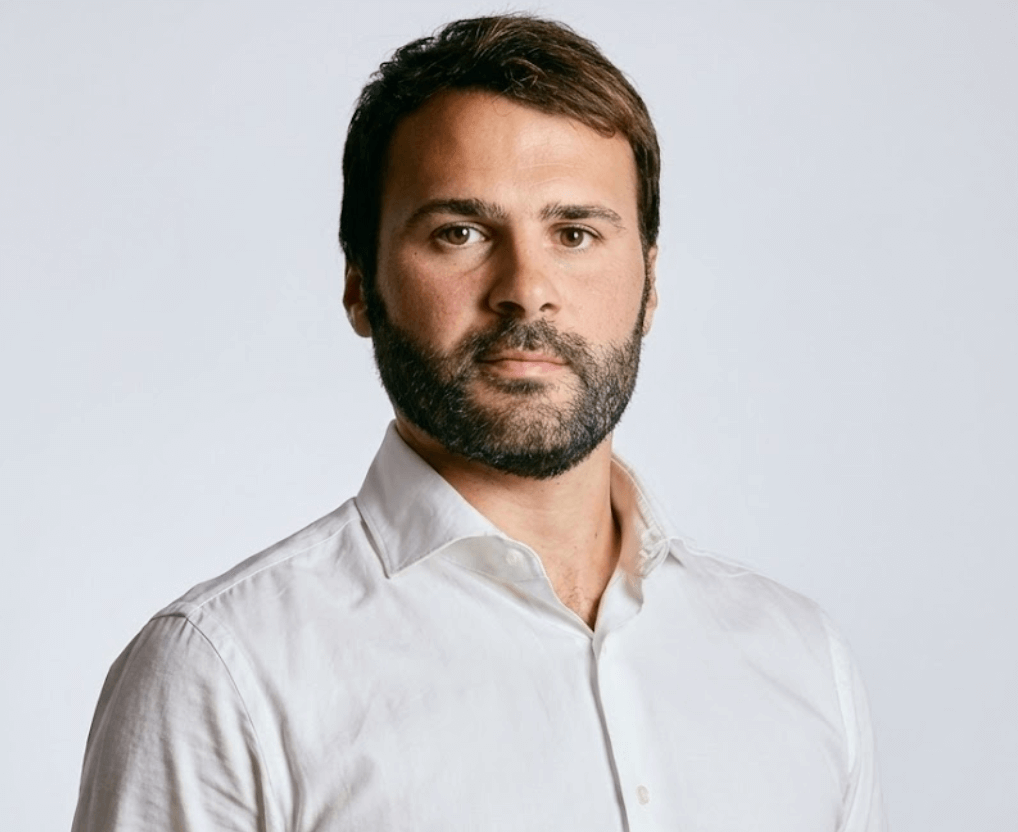
R. Zampetti
I've been working with the team for about two years on graphics, brochures and, most recently, my company's new website.
Davide and his team offer a 100% serious and professional service. They meet deadlines, know how to organize and tastefully adapt the content they're given, and provide full support once the work is delivered. Competition in this market is high and I've worked with several agencies, but I can assure you it's not at all easy to find partners like them. I absolutely recommend them.
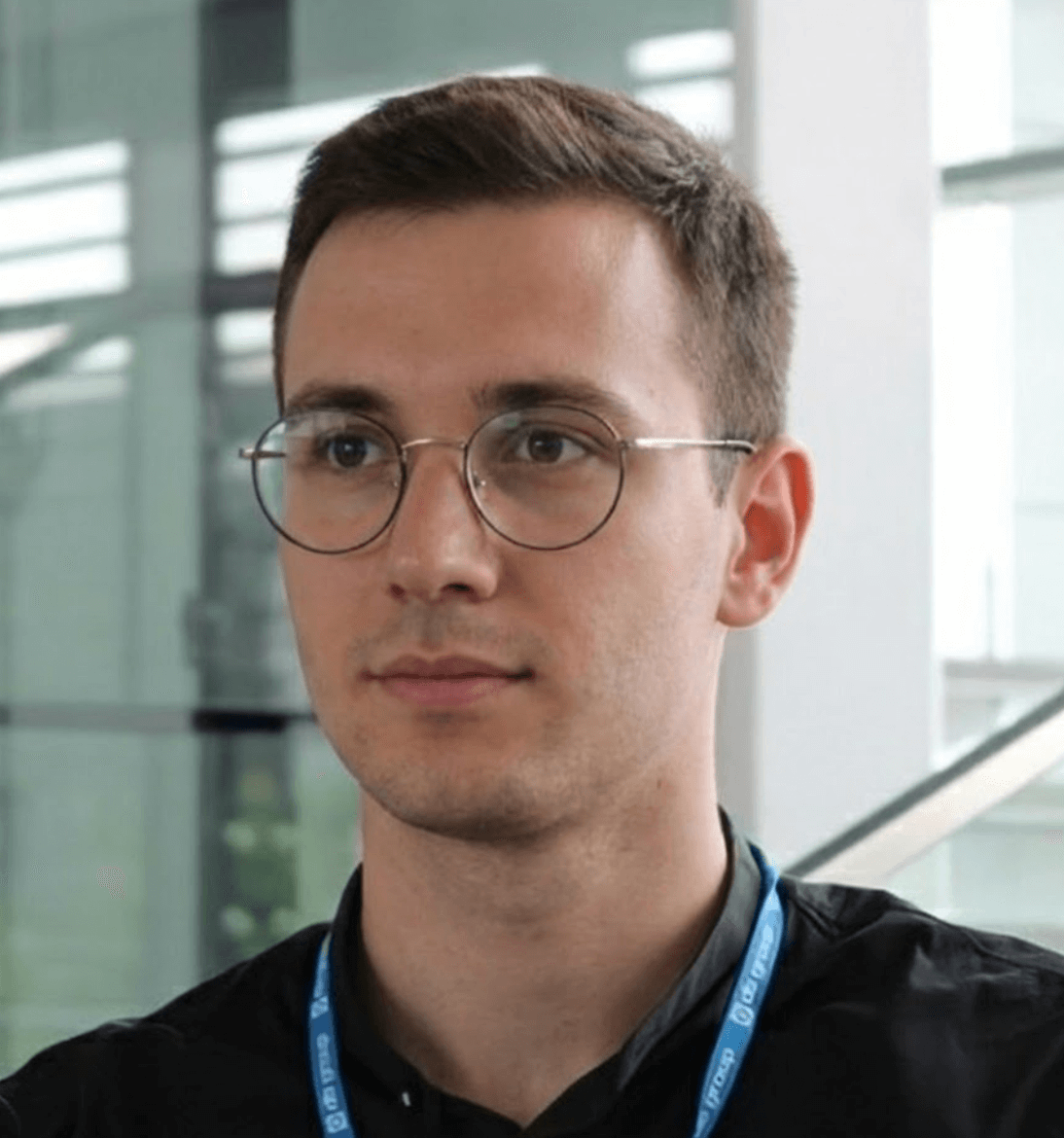
D. Bricco
We work with them on many projects, especially when our clients come to us with very specific requests. With them, you can always count on a super precise, skilled and professional partner for your agency.

Alessia Agazzi
Whenever I have a question, the SHM Studio team is always available and ready to answer. Even after the website was delivered, Davide has supported me (and still does) with patience and professionalism. I truly feel supported! Highly recommended for anyone looking for continuous, reliable support.
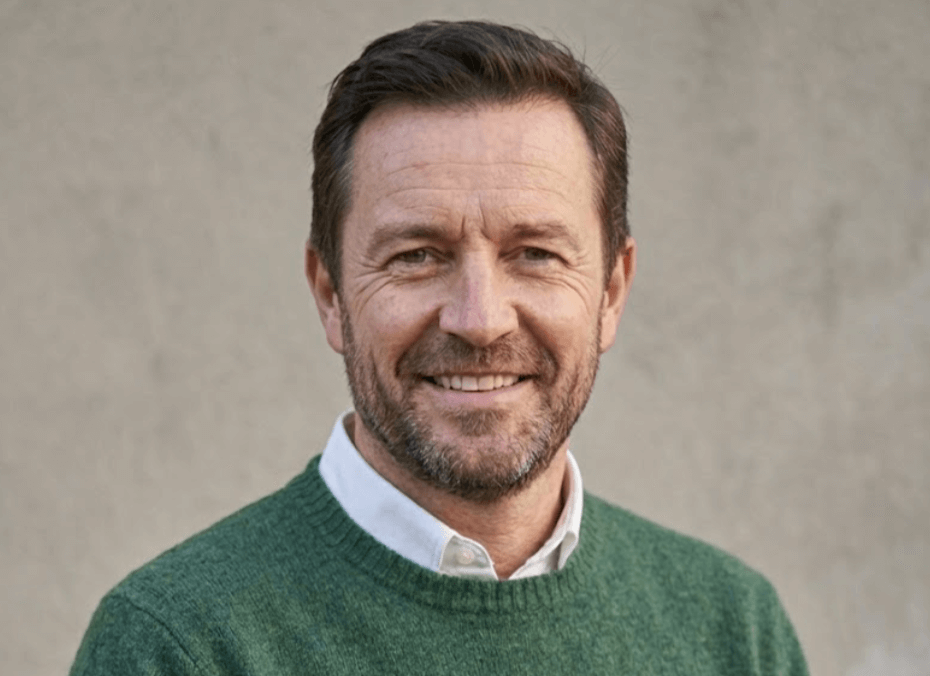
Matteo Rinaldi
When I decided to refresh my company's image, I was full of
doubts. SHM Studio guided me with patience, listening to every need and
proposing innovative solutions. The new website received compliments from all
our customers. A truly positive experience!
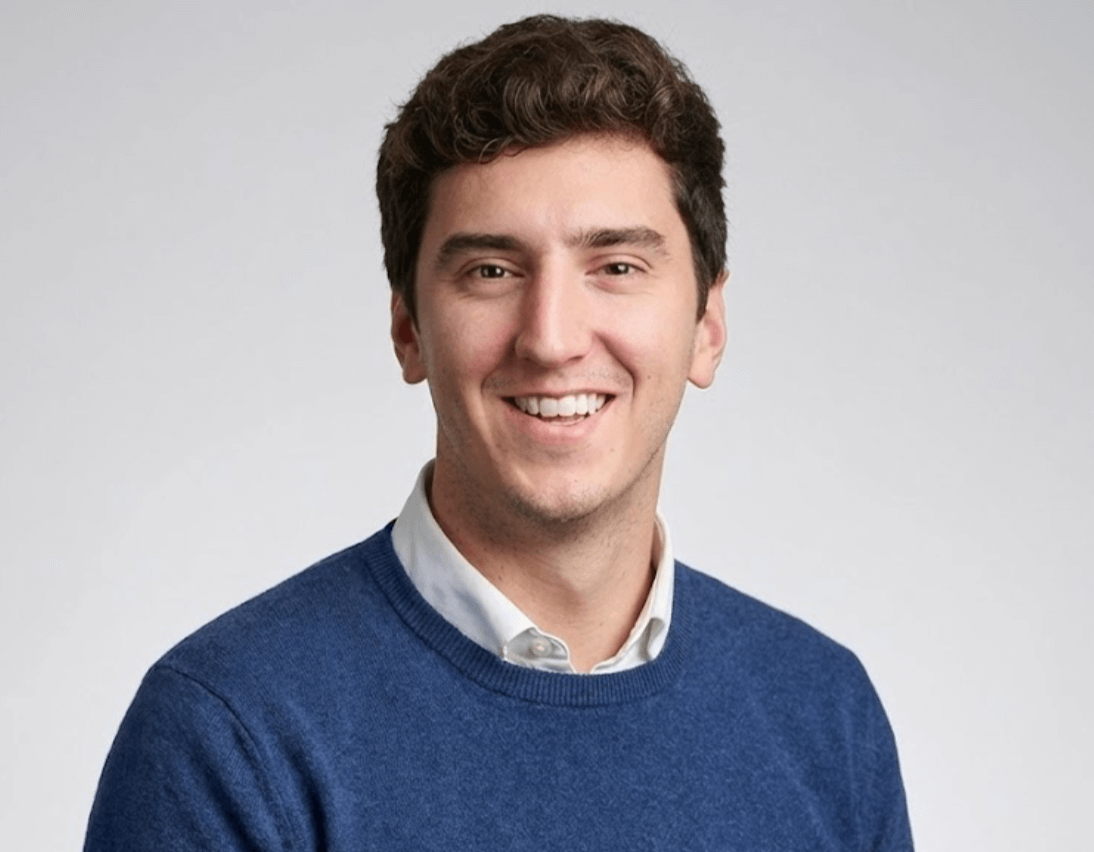
Riccardo Boschi
Our company was practically invisible on Google, despite our efforts. With Davide's SEO consulting and SHM Studio, we finally understood where we were going wrong. After just a few months, thanks to consistent and transparent work, we reached the first page for our keywords. Highly recommended for anyone who wants concrete results!

5 Minute Studio
Our logistics company needed to modernize its digital approach to stay competitive. A trusted contact recommended SHM Studio, a web agency in Milan, and after an initial consultation we decided to move forward. Their team delivered a complete digital audit, redesigned our website to improve usability and implemented an SEO strategy that quickly improved our search engine rankings. They also set up analytics tools so we could track results. The improvements in our online visibility and lead generation were clear and measurable. I recommend SHM Studio to any company looking for expert digital guidance and concrete results.


Tourism marketing in Verona plays out on two very different fields: Lake Garda, which draws most of the province's overnight stays, and the city of art, where international demand is growing fast. If you run a hotel on the lake, a property downtown or a group operating in both areas, you already know the main risk: guests concentrated in just a few foreign markets, bookings increasingly coming through portals, and margins that shrink with every commission.
Our job is to make that demand less fragile and more yours, starting from your property's numbers, not from generic formulas. We analyze where your guests come from, build the website, content and campaigns to open new markets, and bring more bookings to your direct channel, with one senior person as your point of contact for the whole project and no middlemen.

What we offer companies looking for tourism marketing
Markets beyond Germany
On the Veronese side of Lake Garda, German guests are the top market, and that's a strength as long as it holds. We analyze your booking data to see which countries have room to grow and build a content and campaign plan for each one. Diversifying doesn't mean neglecting the guests who have chosen you for years. It means reducing the weight of a single market on your revenue.
Lake and city: two positionings
A guest looking for a week at the lake and one coming for a city weekend have different expectations, booking windows and budgets. For a group with properties in both areas, we define distinct positionings and a shared identity through branding, so each hotel speaks to its own audience without losing recognizability.
A hotel website that sells
We design fast, multilingual websites built around the hotel booking engine: rooms, offers and services presented clearly, with the benefits of booking direct front and center. For guests coming from abroad, trust matters: visible reviews, clear cancellation policies and payment with no surprises.
Multilingual hotel SEO
With an SEO strategy for each language, we cover searches for Verona, Lake Garda and the services that matter to your guests, from beaches to city events. We also take care of SEO for AI: people planning a trip increasingly ask an assistant for advice instead of a search engine.
Campaigns for new markets
Meta campaigns get you known in the countries you want to open, while Google Ads campaigns reach people already searching for the destination or your property's name. We set budgets, languages and timing around the seasonality of the lake and the city, and measure everything against bookings.
More value from the same booking
A guest who has already booked is the easiest audience to sell to: lake experiences, tastings in Valpolicella, transfers, one more night. With AI and automation we prepare pre-stay messages in the guest's language and answer requests quickly, without adding to the front desk's workload.
Tourism in the province of Verona: lake, city and markets
The province of Verona ranked 6th in Italy for overnight stays in 2025, according to Istat data reported in the 2026 Tourism Report by the Verona Chamber of Commerce. Here, tourism isn't a seasonal side activity but a structural part of the economy, with hotels, campsites, residences and apartments competing for the same searches. The same report counts 19,903,358 overnight stays in the province and describes strongly international demand: 78.9% of stays are by foreign visitors. The Veronese shore of Lake Garda accounts for 75.1% of them, with 14,953,755 stays, while the city of Verona stops at 3,300,780.
Behind these numbers are three issues that directly affect marketing. The first is dependence: Germany alone accounts for 43.3% of international stays in the province, and a slowdown in that market is felt immediately in rooms sold. The second is internal competition: with the lake absorbing most of the flow, hotels and groups in the city and the hinterland have to earn their online visibility. The third is an opportunity: in the city, foreign stays are 66.8% and have grown 30.3% compared with 2019, a rising international demand that you can capture with multilingual SEO and direct sales.
For a regional benchmark, the Statistiche Flash of the Veneto Region (May 2026) compare 2025 arrivals in the main areas of tourist interest, expressed in thousands:
Lake Garda is the second area in Veneto for arrivals after Venice, while the city of Verona outpaces both the Padua area and the Euganean spa district. The data is provisional, but it confirms that the province has two different tourism engines: the lake, with stays tied to the summer season and active vacations, and the city, with cultural visits and events spread over several months. A single strategy for both risks working well for neither.
There's also an aspect that mainly concerns the lake. With guests this international and this concentrated in one market, online reputation and search visibility in foreign languages become as decisive as the property's location. If you rank well in German but are invisible in English, Dutch or the languages of emerging markets, you let the portals decide who gets to buy your rooms. A marketing plan that starts from origin data lets you choose which countries to invest in and with which messages, season by season, and change course when a market slows down.
Incentives for tourism marketing in Verona in 2026
As of 06/10/2026, we have found no verified open calls for funding the tourism marketing of hotels and groups in Verona. The only specific regional call we found concerned international trade fairs and is closed.
| Tool | Status | Period | What it covers |
|---|---|---|---|
| Call for participation in international trade fairs to promote the regional tourism and cultural offer - 2nd edition (Action 1.3.10 Sub B) Regione del Veneto | Closed | opened 05/08/2025 at 10:00 a.m.; closed 07/10/2025 at 5:00 p.m. | Tourism SMEs exhibiting at the regional stands at TTG Rimini 2025 and WTM London 2025: non-repayable grant for trade fairs. Does not cover digital marketing. |
It was the Veneto Region call for participation in international trade fairs (Action 1.3.10 Sub B, 2nd edition), with a budget of 260,000.00 euros: a non-repayable grant under the de minimis regime for tourism SMEs hosted in the regional stands at TTG Rimini 2025 and WTM London 2025. Useful if you work with the trade and tour operators, but limited to the fair: it did not cover websites, booking engines, SEO or advertising. That's why we recommend planning digital marketing as an investment of your own and evaluating any new calls only after reading the official text. If you work a lot with agencies and attend industry fairs, we can still prepare digital materials and trade-dedicated pages, so the contacts you collect at the stand find online what you told them in person.
Case study: Spaesati, a tourism project in Tuscany
Spaesati is a Tuscan tourism project: different region, same industry. The work combined keyword analysis, SEO optimization, editorial layout of the content and social and community management. No numerical results have been published, so we won't show you percentages: we'll walk you through the approach.
It's the same approach we'd apply to a Verona-based property that wants to reduce its dependence on a single market. We start from the real searches of travelers in each country, build content around themes and experiences, from the lake to the city to the wine hills, and create a social presence that introduces the destination before the booking. For a hotel on Lake Garda, this might mean, for example, pages and content dedicated to sports, excursions and wineries, designed for audiences different from your usual one. You'll find the details in the Spaesati portfolio.
Want to know how much a single market really weighs on your bookings, and where you can grow? Book a free 30-minute audit with a senior member of our team.
FAQ
Our FAQ section offers clear, concrete answers for anyone who has heard about web agencies and wonders what a team of professionals can really do for them.
It includes analysis of your source markets, a multilingual hotel website with an integrated booking engine, SEO and content for each language, Google and Meta campaigns, and automations for guest communications. In Verona, the weight of each lever varies a lot between the lake and the city: on Lake Garda the priority is diversifying markets and filling the shoulder months, while in the city it's capturing growing international demand and turning visits into direct bookings. The starting point is a free 30-minute audit, useful for deciding where to invest first.
First, by protecting searches for your own name: people who type in your hotel's name should find your website, not a portal. Then, by giving guests a concrete reason to book with you, such as an included service or better cancellation terms, and a booking engine that works well on smartphones. Finally, by working on multilingual SEO: in the province, 78.9% of overnight stays are by foreign visitors (CCIAA Verona, 2026), so direct bookings only grow if your site can be found in your guests' languages.
German is almost always essential, since Germany accounts for 43.3% of international overnight stays in the province. English serves as the common language for other markets. Beyond these, the choice depends on the countries you want to open up to: every additional language needs a content and keyword plan, not machine translation. It's better to add one market at a time, measure the bookings it brings, and then decide whether to expand, rather than launching many versions of the site without following them up.
As of 10/06/2026, we haven't verified any open calls for tourism marketing in Verona. The Veneto Region's call for international trade fairs (Azione 1.3.10 Sub B, 2nd edition) is CLOSED: it opened on 08/05/2025 and closed applications on 10/07/2025. It only covered tourism SMEs' participation in regional stands at TTG Rimini 2025 and WTM London 2025, not digital marketing services. If a new call is released, always check the requirements in the official text before committing any spending.
With a single project and a senior person as your direct contact. For a group with hotels on the lake and in the city, we set up shared oversight of brand, data and tracking, plus separate plans for each property, because audience, seasonality and markets are different. We work with established companies across Italy, and we were founded in Milan more than ten years ago. At regular intervals we share direct bookings, source markets and campaign results with you, so tourism marketing decisions are made on numbers, not impressions.
Earlier than you'd think, and not at the same time for everyone. Guests looking for a week at the lake and those coming for a weekend in the city book on different timelines, and so do different foreign markets. That's why we set up separate calendars: multilingual content and SEO need to be prepared in advance, Meta campaigns start when people in the source countries begin planning their vacation, while Google Ads campaigns on your property's name stay active all year. Your booking data tells us when each market moves.

