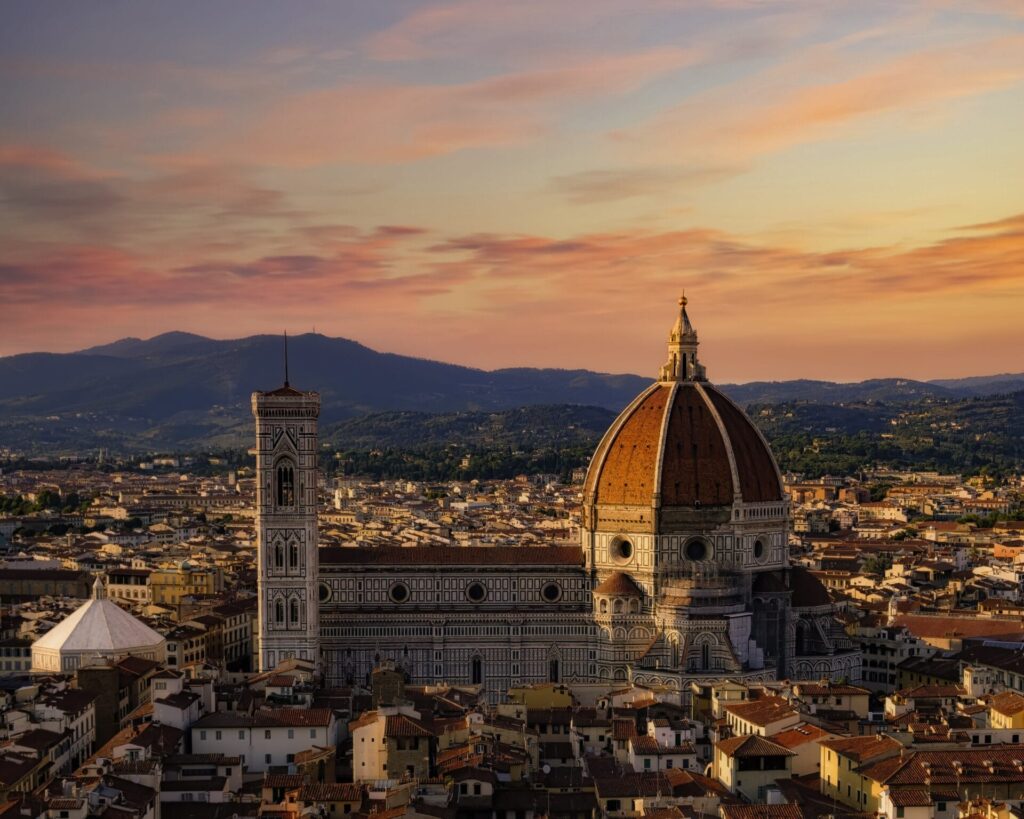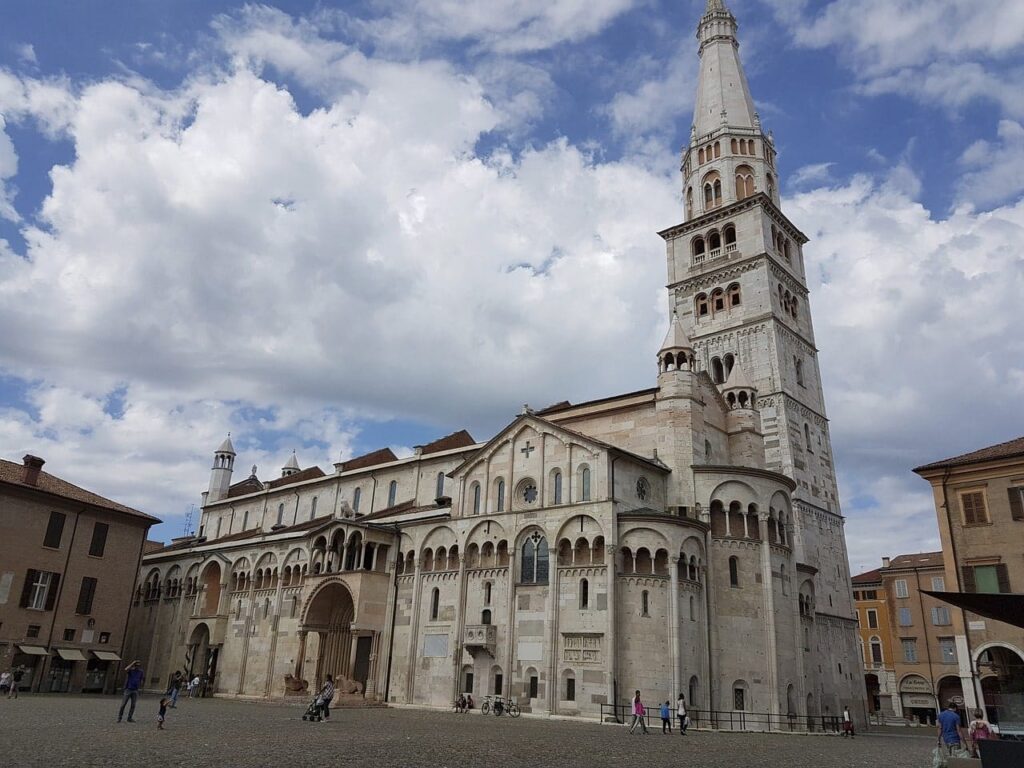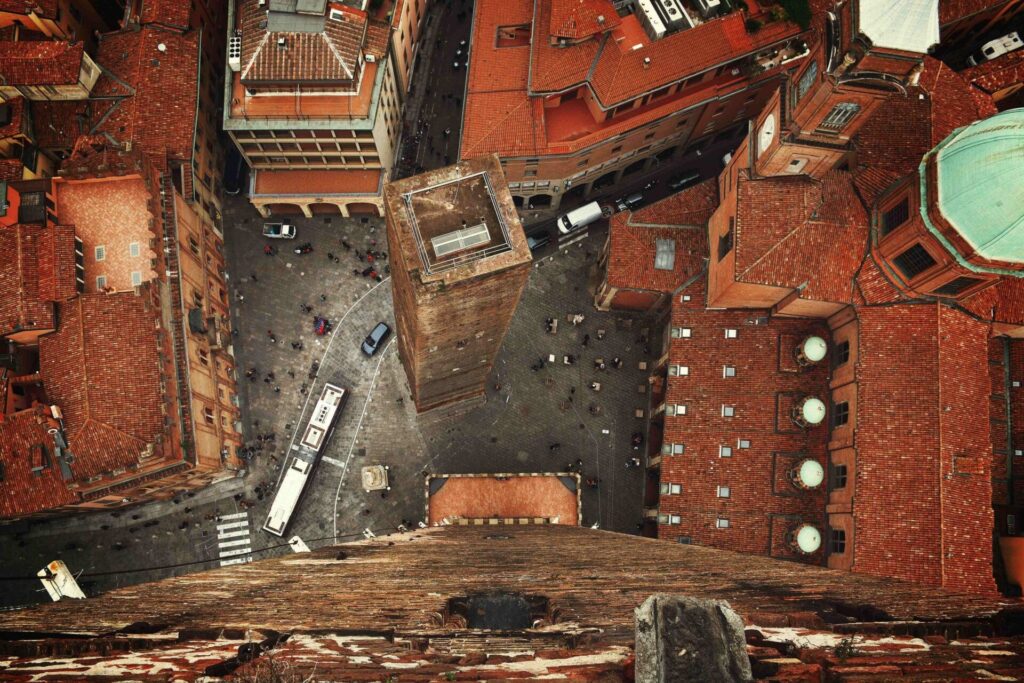

SHM Studio outlines the essential elements for creating websites for architects, emphasizing how the design must reflect the professional's identity and how images are the core of visual storytelling.
- Custom Design and Visual Identity: The website must be a digital extension of the studio, with a unique design that immediately communicates the style (minimalist or avant-garde) and the architect's approach, capturing the visitor's attention right from the home page.
- Centrality of Images: Images (professional photos and renderings) must be the true protagonists, large and high quality, to tell the story of projects and skills. The texts, while necessary for SEO, must be concise and supportive, leaving room for visual storytelling.
- Portfolio and Contacts: A curated Portfolio section, featuring case studies and technical details, is essential to demonstrate the quality of the work. Equally crucial is a clear and personalized contact form to facilitate quote and consultation requests.
- User Experience (UX) and SEO: Intuitive and fast navigation reduces bounce rates and increases conversions. A well-optimized site not only improves Google rankings (thanks to SEO-oriented texts), but also strengthens the professional's online reputation.
In the new world of work we are facing, websites for architects are increasingly becoming a necessity, both for entire agencies and for freelancers. This matches the new habits of clients. Nowadays, in fact, there is a greater tendency to contact professionals directly online for a quote or a consultation, but also to visit the portfolio, learn about completed projects, and get information on the services offered. Today, architects also need to know how to "sell" themselves.
SHM Studio , like Web Agency in Milan , has been dealing with website positioning on Google for years and provides support to all types of businesses, from architecture to much more.
What must never be missing in websites for architects
A website can be created however you want, including everything the client desires. However, being an industry-specific site, certain elements in the layout simply cannot be missing:
- A unique and personalized design: in this kind of sectoral websites, the design and cleanliness of the Home Page are paramount. An architect's website should immediately reflect the brand identity of the company or the freelance professional from the very first visual impact. Images and renderings of interiors and exteriors, or previously completed projects, can be included, even dynamically, to encourage the potential client to stay on the site.
- A contact/information/booking form: we are not talking about a personal blog; nor a fan page or an institutional website. On websites for architects, as for those of other professionals, the goal is to attract clients. With this in mind, the contact section is essential to be clear, easy to find, and complete with all relevant information. It will also be very important for a professional to create a customized form in which users can both describe their request in detail and make an appointment for a specific consultation.
- A Portfolio section: this is certainly The The section of websites for architects. Thanks to the presentation of previous completed works, renderings, and case studies, clients can get an idea of the quality of the projects and the mindset of the firm or professional. This is also possible, potentially, through client reviews. For this series of reasons, a section dedicated to portfolio must definitely not be missing.
Design as distinctiveness in the interest of the brand
If professionals need to know how to "sell" themselves, website positioning on Google is crucial. In architects' websites, design and layout perform precisely this function. In fact, the first screen should reflect the soul of the studio or professional as much as possible.
If the architect deals with projects with a minimalist and essential style, the website should also be very simple, with few links and a clear font, giving prevalence to images and navigation speed. On the contrary, a studio that creates extroverted and avant-garde projects could dare more, inserting pop-ups, navigation customizations, and more. At first visual impact, the client should exclaim "this is what I want!"
The importance of user experience in websites for architects
In architects' websites, just like in other industry-specific sites, the platform's ease of navigation and loading speed enormously influence the SEO , and therefore on the positioning of the site in the search engine results page.
The ease of interaction with the site translates into a huge reduction in the user bounce rate, leading them to stay longer within the page. If users spend more time on the site, with the implementation of simple and intuitive paths, the conversion rate is also increased. This means they will be more likely to perform actions like subscribing to newsletters or writing for a consultation.
Furthermore, but no less importantly, a well-optimized website with a pleasant user experience improves one's online reputation, positively influencing the brand identity and encouraging other unique users to visit it.
The work told in images

No use beating around the bush: on architects' websites, images must be the absolute protagonists. Images speak for the architect, telling their story, experiences, and way of working. Whatever layout is chosen, the images must be large, beautiful, and clean.
Whether they are photographic shots or render projections, each image must be easily viewable, must convey originality and creativity but also precision. For this, design searches and specific measurements can also be implemented. The extreme quality of the images can turn out to be an investment, but poor quality would only be counterproductive. And the words? Is the story being told important?
Texts in websites for architects? Yes, but we prefer minimalism
For website positioning on Google, texts are fundamental, and this remains true even for architects' websites. Whether they are just a few preview words, the description of projects and case studies, or perhaps articles on a potential blog, all texts must always and unconditionally written with SEO in mind , in order to promote website optimization across all search engines. Therefore, they should be used correctly the industry keywords , conducting specific and in-depth research also with the help of professionals.
Since this is not a personal website, however, the texts should only serve as an accompaniment to the images, which will be the true protagonists. Texts can be written to describe the step-by-step creation of a project, to describe any products made, or to present the latest news in the world of architecture, but generally, they will not be what clients should focus on. Precisely for this reason, it is always preferable to use a clear and simple font, unobtrusive, perhaps incorporating fades and spacing in favor of photographs and renderings.
As a web agency in Milan, SHM Studio can count on specialized collaborators in the creation and restyling of websites for companies and freelancers. We explained how websites for architects, acting as a true business card, require specific design and optimization features that necessitate the involvement of dedicated professionals. Contact us for a consultation, we guarantee you a custom website tailored to your needs that will be able to tell your idea of architecture.
Related articles
Discover more articles exploring similar topics, selected to offer you a more complete and stimulating perspective. Each piece of content is carefully chosen to enrich your experience.