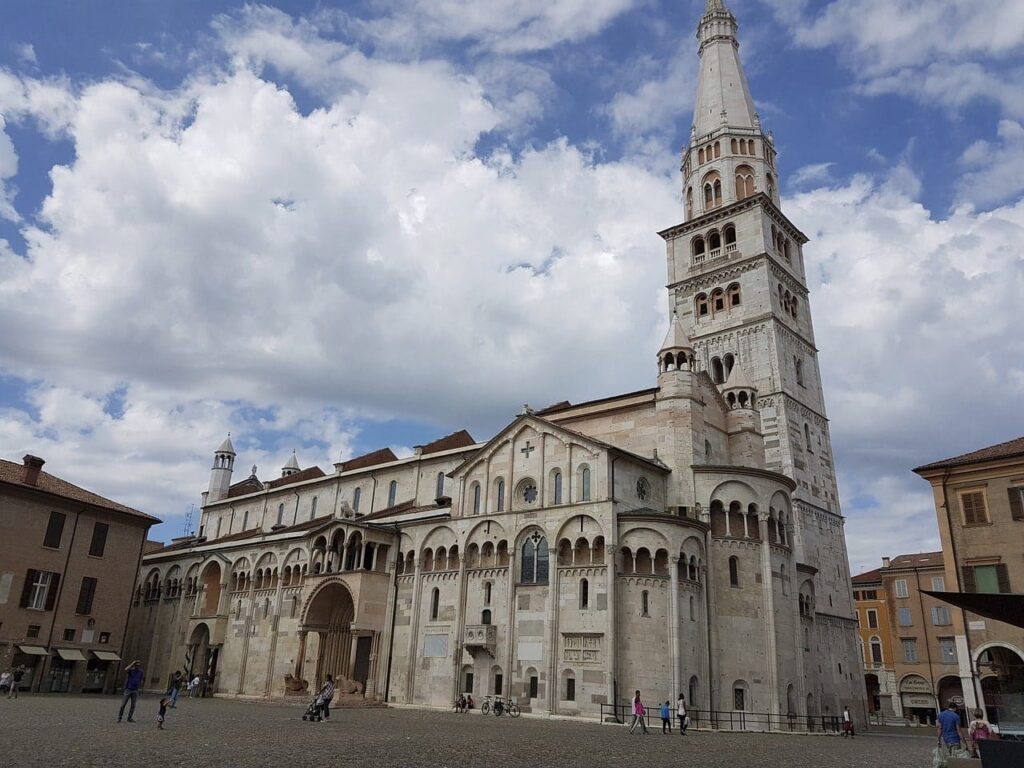

- Why is a communications and marketing agency in Milan a career springboard?
- Is the digital advertising market in Italy really growing?
- What roles do communications and marketing agencies in Milan really look for?
- The strategy team: what skills do marketing roles require?
- Social Media Manager
- SEO Specialist
- Project Manager
- Digital Strategist
- Performance Marketing Specialist
- Marketing Analyst
- The creative team: what does it take to work on content and visuals?
- copywriter
- Storyteller
- Visual and Graphic Designer
- Art Director
- The development team: what technical profiles does a digital agency look for?
- Front-end and Back-end Developers
- Digital Product Manager
- How hard is it to find these profiles in the Italian job market?
- What sets a good candidate apart from an excellent one at a Milan agency?
- What mistakes do people most often make when applying to a digital agency?
- How do you know if you're growing in the right role at an agency?
- So, is it worth aiming for a job at a communications and marketing agency in Milan?
- How we see it at SHM
- Frequently Asked Questions
- Communications and marketing agencies in Milan look for technical, creative and strategic profiles: figuring out which role is yours is the first step.
- The Italian digital market is worth over 84 billion euros and grows every year: demand for professionals outstrips the available supply.
- The most in-demand roles range from SEO Specialist to Performance Marketing Specialist, from Copywriter to Digital Product Manager: each requires specific skills and continuous learning.
- Milan is home to about half of Italy's larger, more structured agencies: joining this ecosystem means working on complex projects and for demanding clients.
Updated October 24, 2026
In Italy in 2025, more than one in two digital profiles that companies were looking for was hard to find: 316,000 unfilled positions out of 621,000 sought. If you're considering a career at a communications and marketing agency in Milan, the timing is right — but you need to know exactly which role is right for you.
Why is a communications and marketing agency in Milan a career springboard?
Milan is Italy's capital of digital marketing: it has the largest number of structured agencies and offers access to clients, projects and skills that are hard to find elsewhere.
Web agencies specialize in digital marketing, advertising and communications. Their job is to help businesses and individuals build and maintain a strong online presence, using the right channels to reach their target audience.
Milan isn't just the city with the most agencies: it's where the most demanding clients, the biggest budgets and the most complex projects are concentrated. Working here means growing faster, because every week brings real challenges in competitive markets.
According to Startupmag (PMA Report 2025-2026), more than 43,000 marketing and communications companies operate in Italy. Of these, around 13,000 are concentrated between Milan and Rome. Agencies with more than ten staff number just over 1,500: joining one means working in a structured environment, with multidisciplinary teams and proven processes.
In 2025 the Italian digital market reached 84.4 billion euros, with over 132,000 ICT (information and communications technology) companies and more than 638,000 employees, according to Anitec-Assinform. A growing ecosystem that creates real opportunities for anyone who wants to build a career in digital.
Is the digital advertising market in Italy really growing?
Yes: internet advertising in Italy surpassed 6 billion euros in 2025 and is aiming for 7 billion in 2026. More budget means more demand for professionals.
When companies invest more in digital advertising, agencies grow and hire. The link is direct. Looking at advertising market numbers helps you tell whether the industry you want to work in has the wind at its back or not.
In 2025 internet advertising reached 6.2 billion euros, or 53% of the entire 11.8 billion national advertising market, according to the Politecnico di Milano Internet Media Observatory. Growth of up to 7 billion (+12%) is expected for 2026.
Mobile advertising — that is, advertising on smartphones — accounts for 56% of the total. The fastest-growing segments are Connected TV (+23%) and Video Advertising (+18%), according to Netcomm. These numbers translate into new roles, new specializations and new budgets to manage at agencies.
The number of Italian online shoppers tells the same story: 16 million in 2016, up to 33.7 million in 2024, according to Netcomm. More than one in three offline purchases starts with an online search. Companies know it and invest accordingly.
What roles do communications and marketing agencies in Milan really look for?
Structured agencies look for three types of professionals: strategic and client-facing, creative and content, technical and development. Each area has distinct roles with specific skills.
A communications and marketing agency isn't a place where everyone does everything. Roles are defined, responsibilities are clear and the skills required are precise. Knowing the map before you apply is the difference between a generic interview and a targeted one.
| Area | Role | What they do in brief |
|---|---|---|
| Strategy and client relations | Social Media Manager | Manages social channels, plans campaigns, monitors competitors |
| Strategy and client relations | SEO Specialist | Optimizes the website for search engines, manages keywords and content |
| Strategy and client relations | Project Manager | Coordinates the team, keeps to deadlines and budget, manages risks |
| Strategy and client relations | Digital Strategist | Defines the overall strategy, integrates all channels |
| Strategy and client relations | Performance Marketing Specialist | Manages paid campaigns and optimizes results |
| Strategy and client relations | Marketing Analyst | Analyzes data and turns numbers into strategic decisions |
| Creativity and content | copywriter | Writes copy for the web, blogs, landing pages and product pages |
| Creativity and content | Storyteller | Builds the brand narrative and adapts it across all channels |
| Creativity and content | Visual / Graphic Designer | Creates visual content for campaigns, websites and social media |
| Creativity and content | Art Director | Oversees the visual direction of projects and coordinates designers |
| Development and technology | Front-end Developer | Builds the user interface of websites and applications |
| Development and technology | Back-end Developer | Manages servers, databases and application logic |
| Development and technology | Digital Product Manager | Coordinates the development and launch of digital products |
The strategy team: what skills do marketing roles require?
Strategic roles require analytical skills, knowledge of digital channels and a results-driven mindset. These are the people who hold vision and data together.
Social Media Manager
A profile whose importance shows no sign of fading. The Social Media Manager must communicate the brand effectively across different social channels, delivering the company's messages consistently. Writing posts and replying to comments is no longer enough: you need to monitor competitors, stay on top of trends and know how to launch campaigns when the moment is right.
One often underestimated point: language has to be calibrated channel by channel. A LinkedIn post has a different tone, structure and goal from one on Instagram or TikTok. Anyone who misses this difference produces content that doesn't work on any platform. To dive deeper into social network strategies, training is essential.
SEO Specialist
The SEO Specialist is an indispensable role for any structured agency. Their skills cover two areas: on-page SEO (keyword research, writing optimized copy) and off-page SEO (technical optimization of the site for search engines).
To step into this role, you need a deep understanding of ranking (how search engines decide which pages to show first) and fluency with tools like Google Analytics, Keyword Planner, Semrush and Ubersuggest. A good SEO Specialist can also assess site speed and user experience (how people feel while browsing), because both affect rankings. The end goal: grow a website's organic traffic, meaning the visits that come from search engines without paid ads.
Project Manager
An agency's success depends heavily on its ability to manage complex projects, with many people involved, tight deadlines and fixed budgets. The Project Manager guides the team through every phase of the project and makes sure goals are met on time and on budget.
In this role, you need to spot risks before they become problems, manage people with different personalities and skills, and communicate clearly with colleagues, managers and clients. It takes method, not just experience.
Digital Strategist
This is the mind behind the marketing strategy. They analyze the market, set goals and KPIs (key performance indicators, the numbers that measure success), structure the funnel (the path that takes a user from interest to purchase) and coordinate actions across all channels. They work closely with the creative and technical teams to keep the whole digital process consistent. This is the person who knows every channel and can bring them together in a medium- to long-term vision.
Performance Marketing Specialist
They run paid campaigns: Google Ads, Meta, LinkedIn and programmatic (automated ad buying). This is the results-driven role, working on CTR (the percentage of clicks on an ad), CPA (the cost of acquiring a customer) and ROAS (return on ad spend). They plan, test and optimize campaigns. When something isn't working, they know where to step in and why. Their work is often invisible, but it's what brings qualified traffic and real conversions.
If you want to dig into how automation can multiply campaign results, read the case study on marketing automation that grew leads from 12 to 108 a month: a concrete example of what happens when strategy and technology work well together.
Marketing Analyst
The Marketing Analyst turns numbers into strategies. They analyze data from campaigns, websites, apps and social media, build reports, spot patterns and suggest evidence-based solutions. It's an increasingly in-demand strategic role, even at small and mid-sized agencies. Anyone who can read data and turn it into concrete decisions has a real competitive edge in the job market.
The creative team: what does it take to work on content and visuals?
Creative roles call for writing skills, an eye for aesthetics and a clear grasp of business goals. Knowing how to write or design isn't enough: you need to understand why you're communicating.
copywriter
Search engines evaluate the content published on a site and determine how it ranks. That's why copywriting is an essential part of any digital marketing strategy. Landing pages, corporate pages, blog posts and product pages are all designed to turn users into potential buyers.
Today, Artificial Intelligence can produce web copy, but it almost always needs careful supervision. A Copywriter has to create content that helps keywords rank and, above all, gives users a useful, smooth read. The test is simple: if an article has a low bounce rate (meaning users don't leave the page right away) and ranks for the chosen keywords, the job was done well.
Storyteller
The Storyteller is a relatively new role, but it's gaining weight in the job market. This professional can convey a brand's values and vision in a creative, engaging way, telling the brand's story and carrying it through the entire communication strategy.
At a communication and marketing agency in Milan, this role means developing narratives that reflect the company's identity and spark customer interest and loyalty. The Storyteller works closely with the rest of the team to keep messages consistent across every channel.
Visual and Graphic Designer
The Graphic Designer is a core part of the creative team at any well-structured agency. Responsible for creating visual content, they communicate ideas, inspire and inform the audience, and convey the strength of a brand. The design team works on web design projects that look great and carry the client's message, whoever the target audience is.
They collaborate actively with the agency's other departments, working with Project Managers, SEO Specialists and Copywriters to build successful platforms and develop engaging campaigns on social channels too.
Art Director
The Art Director oversees the visual aspects of a project. They coordinate the designers and make sure design elements stay true to the brand and the client's goals. This role calls for both creative and strategic skills: they're the one who gets projects and campaigns off the ground while respecting set timelines and budgets.
The development team: which technical profiles does a digital agency look for?
Developers build what users see and use. Without a solid technical team, creative ideas stay on paper.
Front-end and Back-end Developers
Front-end developers build the user-facing side of websites and applications. Everything users see and interact with is their work. They mainly use HTML, CSS and JavaScript to build the visual and interactive elements of the interface.
Back-end developers focus on the server side: they manage databases, APIs (interfaces that let different systems talk to each other) and all the logic that makes an application run. A full-stack developer has both skill sets and a complete view of the whole development process, from design to launch.
Digital Product Manager
Managing digital products such as websites, mobile apps and software platforms takes a wide-angle view. The Digital Product Manager is responsible for their development, launch and optimization. In this role, you need to identify market needs and work with Designers, Developers and marketing experts to deliver successful solutions.
| Technical role | Key skills | Main tools |
|---|---|---|
| Front-end Developer | HTML, CSS, JavaScript, UX, accessibility | React, Vue, Figma, browser DevTools |
| Back-end Developer | Servers, databases, APIs, security | Node.js, PHP, Python, MySQL, PostgreSQL |
| Full-stack Developer | Both areas, systems thinking | Full stack, Git, CI/CD |
| Digital Product Manager | Product vision, roadmap, stakeholder management | Jira, Notion, Analytics, A/B testing |
How hard is it to find these profiles in the Italian job market?
Very hard: more than one in two digital profiles sought in Italy in 2025 couldn't be found. If you have the right skills, you have real bargaining power.
According to Confartigianato data reported by MilanoToday, in 2025 Italian companies were looking for 621,000 digital workers. Of these, 316,000 (over 50.8%) were hard to find. More than one in two open positions went unfilled for lack of candidates with the right skills.
This has a direct consequence for anyone who wants to enter the field: if you invest in the right training and build a specialized profile, you won't struggle to find work. The challenge isn't finding an opening, but having the skills agencies really want.
Buyers changing their behavior in response to AI is closely tied to this shortage: companies are looking for professionals who can adapt strategies to a fast-changing market. To dig deeper, read our analysis of how the AI-changed buyer is putting many marketing plans behind schedule.
What sets a good candidate apart from an excellent one at a Milan agency?
Technical skills open the door, but what makes the difference is the ability to work in a team, keep learning and focus on the client's results.
Communication and marketing agencies in Milan juggle multiple clients at once, with tight deadlines and high expectations. In this environment, technical skills are necessary but not enough. What sets an outstanding professional apart is the ability to adapt, communicate and deliver measurable results.
| Skill | Why it matters in an agency | How to show it |
|---|---|---|
| Continuous learning | Digital changes every month: those who stand still become obsolete | Certifications, courses, tests on new tools |
| Teamwork | Projects involve more and more different roles | Documented experience on collaborative projects |
| Data-driven mindset | Decisions are made on numbers, not opinions | Ability to read reports and suggest concrete actions |
| Client communication | Clients need to understand what you're doing and why | Clear presentations, readable reports, active listening |
| Prioritization | In an agency you're always working on several fronts at once | A structured way of working, meeting deadlines |
| AI knowledge | Artificial intelligence is already built into workflows | Hands-on use of AI tools to speed up processes |
AI is now a core part of agency work. You don't need to know everything about artificial intelligence, but you do need to use the right tools to work better and faster. Ignoring this means starting at a disadvantage. For an up-to-date overview, the article on the best AI marketing tools of 2026 is a solid starting point.
What mistakes do people most often make when applying to a digital agency?
Most candidates go wrong by presenting generic profiles, underestimating the importance of data and failing to show concrete results from previous experience.
Working at a communication and marketing agency in Milan is competitive. Recruiters receive plenty of applications and look for specific signals. Knowing the most common mistakes helps you avoid them.
- 1 · CandidateProfile too genericWriting "I work in digital marketing" without specifying your role, channels and results. Agencies look for specialists, not jacks-of-all-trades.
- 2 · CandidatePortfolio without numbersShowing work without results: how many visits did that article generate? How much did the social profile you managed grow? Numbers matter.
- 3 · CandidateIgnoring continuous learningNot knowing the latest tools or never having used AI in your work. The industry moves fast, and it shows right away when someone isn't keeping up.
- 4 · CandidateUnderestimating teamworkPresenting yourself as a "lone wolf" in a setting that demands constant collaboration across departments. In an agency, you always work together.
- 5 · CandidateNot knowing the agency's typical clientApplying without studying the agency's clients, industries and success stories. Showing specific interest makes the difference.
How do you know if you're growing in the right role at an agency?
Growth in an agency is measured on three levels: results delivered to clients, independence gained in processes and the ability to handle more complex projects over time.
Joining an agency is a starting point, not a finish line. The right question isn't just "did I get a job?" but "am I growing in the right direction?" Here are the indicators to keep an eye on.
| Indicator | Positive signal | Warning sign |
|---|---|---|
| Client results | KPIs improve over time and the client renews | Results are flat or declining, the client is unhappy |
| Operational independence | You manage projects without constant supervision | You always wait for direction before acting |
| Project complexity | You're brought in on bigger clients or new challenges | You always work on the same types of projects |
| Tool updates | You use new tools and propose innovative solutions | You keep using the same tools without updating |
| Relationship with the team | You collaborate actively and contribute to decisions | You work in isolation without interacting with other departments |
So, is it worth aiming for a job at a communication and marketing agency in Milan?
It's worth it if you already have a defined specialization (SEO, performance, design, development), want to grow fast on complex projects and are willing to keep learning. Milan offers the richest ecosystem in Italy to do just that.
Somewhere in between: you're still exploring and haven't chosen your role yet. Start with experience at a smaller agency or a specific training path, then aim for more structured companies.
Not yet if you're looking for stability, predictable rhythms and a fixed role with no variation. Agencies are dynamic environments, with tight deadlines and different clients every month: it's not the right setting for everyone.
How we see it at SHM
For us, AI is a tool that frees people from routine and gives time back for the work that really matters. In digital agencies, this means roles don't disappear: they evolve. An SEO Specialist who knows how to use AI works better and faster. A Copywriter who brings in the right tools produces more content without losing quality. Technology doesn't replace human ingenuity: it amplifies it.
SHM Studio is a collective of professionals who don't just "do communication" but live it, turning it every day into concrete results for ambitious brands. If you're looking for a partner for your digital strategy — not a supplier, but someone who truly works with you — explore our services in strategic AI integration, Google Ads campaigns and new visual identity.
Have a project in mind? Request a consultation: we'll tell you what we can build together.
If you want to better understand how to choose the right partner, our guide on how to choose a marketing agency in Milan and the one on the communication and marketing agency give you a complete picture. You can also explore the Marketing and performance ADV cluster section to stay up to date on the latest industry trends.
Frequently Asked Questions
The most sought-after roles are SEO Specialist, Performance Marketing Specialist, Social Media Manager, Copywriter, Graphic Designer and Digital Strategist. Each role requires specific skills and continuous updating on tools and industry trends.
Not necessarily. Many agencies value your portfolio and concrete results more than your degree. A degree in communication, marketing or computer science can help, but specific certifications, hands-on courses and a solid portfolio often weigh more in the selection.
The market is competitive, but demand outstrips supply: in 2025, over 50% of the digital profiles sought in Italy were hard to find. People with specialized skills and a portfolio showing measurable results find real opportunities, especially in Milan, where most of the well-established agencies are concentrated.
The Digital Strategist defines the big picture: analyzes the market, chooses the channels, structures the user journey and coordinates all departments. The Performance Marketing Specialist focuses on paid campaigns, optimizes costs and maximizes measurable results such as ROAS and CPA. They're complementary roles, not interchangeable.
No: AI is changing processes, not eliminating roles. A Copywriter who uses AI works faster, but you still need someone to supervise, edit and give strategic direction to the content. The same goes for SEO, design and data analysis. Those who can integrate AI into their work gain a competitive advantage, not a threat.
Start with your strongest skills and the projects that gave you the most satisfaction. If you love numbers and optimization, look toward SEO or Performance Marketing. If you're creative and love writing, Copywriting or Storytelling is for you. If you enjoy coordinating people and processes, Project Management is the right path. Specializing is always better than presenting yourself as a generalist.
The problem isn't finding a job opening at a communications and marketing agency in Milan. It's showing up with skills nobody else has.
Related articles
Discover more articles exploring similar topics, selected to offer you a more complete and stimulating perspective. Each piece of content is carefully chosen to enrich your experience.