
Ask.com ha cessato le proprie attività di ricerca. IAC, il gruppo proprietario, ha confermato la dismissione definitiva del motore. Si chiude così un capitolo storico del web, iniziato negli anni Novanta con il celebre assistente virtuale Jeeves.
Tuttavia, per le PMI italiane l’evento non è privo di conseguenze strategiche. Infatti, la progressiva concentrazione del mercato search attorno a Google, Bing e pochi altri operatori rende ancora più urgente ragionare sulla diversificazione delle fonti di traffico organico. Pertanto, affidarsi a un unico motore espone le aziende a rischi di volatilità significativi. Noi di SHM Studio osserviamo questa dinamica con attenzione: ogni chiusura di un player alternativo riduce la pressione competitiva su Google e consolida ulteriormente il suo potere di definire le regole del gioco SEO.
In sintesi, la notizia è un promemoria concreto: le strategie search devono essere costruite su basi solide e diversificate. Oltre a questo, occorre monitorare l’evoluzione del panorama con continuità. SHM Studio supporta le PMI nella costruzione di piani SEO resilienti, capaci di adattarsi ai mutamenti strutturali del mercato dei motori di ricerca.
The end of Ask.com: timeline of an announced farewell
May 2, 2026, TechCrunch reported the official newsIAC has decided to permanently shut down its online search business. Ask.com, originally launched as AskJeeves in 1996, will cease to operate as a search engine. This closure is one that many industry observers have considered inevitable for years.
Infatti, Ask.com aveva già ridimensionato drasticamente le proprie ambizioni nel corso del decennio precedente. Tuttavia, la piattaforma continuava a esistere come entità residuale. Pertanto, la decisione di IAC rappresenta la formalizzazione di un declino già in atto, non una sorpresa improvvisa.
In particolare, il caso Ask.com illustra con chiarezza la difficoltà strutturale di competere con Google in un mercato dove le economie di scala e i dati di comportamento degli utenti costituiscono barriere all’ingresso quasi insormontabili.
The search market today: growing concentration and few dominant players
The closure of Ask.com is not happening in a vacuum. On the contrary, it is part of a context of progressive concentration in the search engine market. According to data from StatCounter, Google stably holds over 90% of the global market share in desktop and mobile search.
Bing, di proprietà Microsoft, si posiziona come secondo operatore con una quota che oscilla tra il 3% e il 4% a livello globale. Tutti gli altri player — inclusi DuckDuckGo, Brave Search e Yahoo — si dividono le briciole rimanenti. Di conseguenza, la scomparsa di Ask.com riduce ulteriormente la pluralità dell’ecosistema.
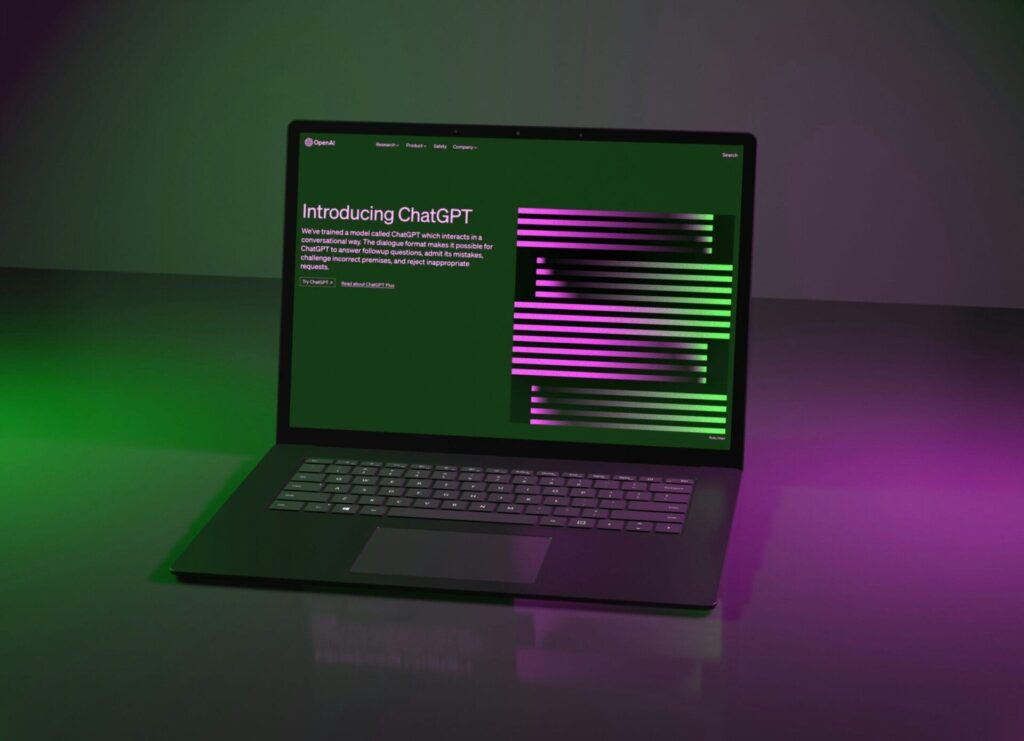
Inoltre, l’avanzata dei motori di ricerca basati su intelligenza artificiale — come Perplexity AI e il Search Generative Experience di Google — sta ridefinendo le regole del gioco. Dunque, il panorama non è solo più concentrato: è anche strutturalmente diverso rispetto a cinque anni fa. Per approfondire questo tema, è utile consultare l’analisi di Gartner sul futuro del search.
Perché una PMI italiana dovrebbe preoccuparsi di questo cambiamento
At first glance, the closure of a fringe search engine might seem irrelevant to a small or medium-sized Italian business. However, strategic reasoning suggests otherwise.
Ogni riduzione della pluralità nel mercato search aumenta il potere negoziale di Google nei confronti degli inserzionisti e dei publisher. Pertanto, le PMI che costruiscono la propria visibilità digitale esclusivamente su Google si trovano in una posizione di dipendenza strutturale. Qualsiasi aggiornamento algoritmico — come i Core updates periodici — può avere impatti immediati e significativi sul traffico organico.
Allo stesso modo, la concentrazione del mercato rende più costosa la pubblicità su Google Ads. Meno concorrenza tra piattaforme significa meno pressione sui prezzi per gli inserzionisti. Per questo motivo, diversificare le fonti di traffico non è una scelta opzionale: è una necessità strategica. Noi di SHM Studio lo ripetiamo con regolarità ai nostri clienti: la resilienza digitale si costruisce su più canali, non su uno solo.
Diversification search: concrete options for SMEs
Diversifying organic traffic sources doesn't mean chasing every existing search engine. Instead, it means building a digital presence that doesn't rely on a single algorithm. Here are some concrete operational directions.
- Technical and content SEO on Google and Bing: ottimizzare per entrambi i motori principali è il punto di partenza. Bing, in particolare, sta guadagnando rilevanza grazie all’integrazione con Copilot. I nostri SEO services they cover both ecosystems.
- Presence on vertical platforms: per molte PMI B2B, LinkedIn è un canale di ricerca a tutti gli effetti. Le nostre LinkedIn campaign integrano la visibilità organica con quella a pagamento.
- Content optimized for semantic search: AI-powered search engines reward content that answers specific questions. Our service of SEO copywriting è progettato per questo scenario.
- Google Ads as a complementary lever: while waiting for organic traffic to mature, Google Ads campaigns garantiscono visibilità immediata e misurabile.
- Integrated digital marketing la sinergia tra SEO, content e paid è il modello più robusto. Il nostro approccio al digital marketing it starts precisely from this integration.
The weak signal that no one should ignore
La chiusura di Ask.com è, tecnicamente, un evento minore. Tuttavia, come spesso accade nei mercati digitali, i segnali deboli anticipano trasformazioni più profonde. La concentrazione del search in pochi player è una tendenza consolidata. Perciò, ignorarla significa esporsi a rischi evitabili.
In parallelo, l’ascesa dei motori AI-powered sta già modificando il comportamento degli utenti. Secondo una ricerca di Harvard Business Review, una quota crescente di utenti utilizza strumenti come ChatGPT o Perplexity per rispondere a domande informazionali, bypassando i motori tradizionali. Di conseguenza, il concetto stesso di
Related articles
Discover other articles that explore similar topics in depth, selected to give you a more complete and stimulating view. Each piece of content is carefully chosen to enrich your experience.