
- What is natural language video search and how does it work
- Benefits for Italian B2B SMEs
- Limits and risks
- Concrete cases: Italian sectors
- Most common mistakes
- The role of an agency like SHM Studio
- FAQ: frequently asked questions about natural language video search
- Does AI video search also work with videos in Italian?
- How much does it cost to implement an AI video search system for an SME?
- Do we need to re-upload all current videos to the new platform?
- How is AI video search integrated with existing DAMs?
- What metrics should be used to measure the ROI of this technology?
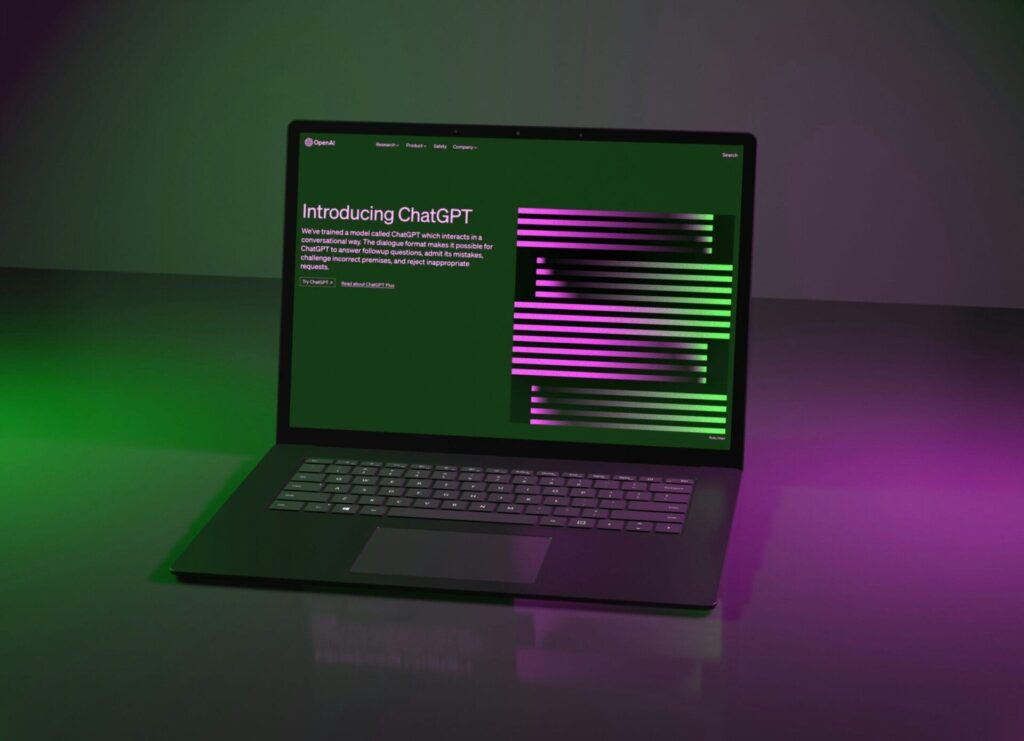
By the end of April 2026, the American startup Shade announced a $14 million round. The goal is to develop a video search platform based on natural language. Therefore, creative teams can find specific clips without manual tagging or structured metadata. The news highlights a well-established trend: the application of Natural Language Processing (NLP) to digital asset management.
The problem Shade aims to solve is familiar to anyone managing large video archives. Finding a specific clip takes time and relies on the quality of manual cataloging. Consequently, this translates into hours of wasted work. The platform introduces a proprietary file system with direct streaming to the local drive. Additionally, it combines semantic search with automatic indexing of visual content. This approach reduces reliance on human tagging and speeds up creative workflows.
For Italian businesses — from manufacturing SMEs to digital agencies and e-commerce — the direction indicated by Shade is a concrete reference. However, adopting these technologies requires analysis, careful selection, and attention to GDPR compliance. We at SHM Studio We keep an eye on these trends to share measurable approaches with clients. Ultimately, we steer clear of tech adoption that's rushed or doesn't match actual work needs.
What is natural language video search and how does it work
Natural language video search is a technology based on Natural Language Processing (NLP) and on computer vision. It allows you to query a video library using everyday phrases, without manual tags. For example, you can type "person speaking in front of a blackboard" and the system returns the relevant clips. Therefore, the search process becomes intuitive and accessible to the whole creative team.
The system operates in three main phases. First, the system automatically indexes every video upon upload. Next, an AI model analyzes frames, dialogue, and visual context. Finally, a semantic search engine connects natural language queries to the indexed assets. As a result, the reliance on manual cataloging is drastically reduced.
The American startup Shade has recently raised $14 million to develop this technology. Its approach introduces a proprietary filesystem with direct streaming to the local drive. This eliminates the need to upload everything to centralized clouds. However, it's not the only player in this space: tools like Google Cloud Video AI and similar enterprise solutions are evolving rapidly.
According to Gartner , AI applied to digital content management is among the top tech priorities for the next three years. Plus, multimodal semantic search — combining text, audio, and images — is the most exciting evolution for creative teams. To dive deeper into the strategic impact of AI, check out the section SHM Studio AI services .
Benefits for Italian B2B SMEs
Italian SMEs that produce video content face a concrete problem: finding a specific clip takes time. It often depends on the quality of the cataloging and the memory of individual collaborators. Therefore, every hour wasted on searching is a direct cost to the business.
AI video search brings real, measurable perks. In fact, creative teams get back up to 30% of their time usually spent managing assets. On top of that, production quality gets a boost because people can reuse existing materials way more effectively. Plus, it cuts down on the risk of accidentally shooting duplicate footage.
For digital agencies, the advantage is even more direct. For example, an agency managing campaigns for multiple clients can quickly access specific footage for each brief. Similarly, an internal marketing department can find corporate clips without depending on the IT department. This speeds up production cycles and reduces bottlenecks.
Manufacturing SMEs, in particular, often produce technical and corporate videos in large volumes. Therefore, efficient semantic search becomes a relevant operational asset. To integrate these solutions into a strategy of Digital marketing structured, it is key to start by checking your actual needs. Here at SHM Studio, we guide SMEs through this tech evaluation journey.
Limits and risks
Despite the perks, this tech has some real limits. First off, how well things get indexed depends totally on the resolution and sound quality of the original videos. Badly shot clips or fuzzy audio lead to messy indexing. So, search results can be a bit hit-or-miss on mixed-up archives.
In addition, NLP models work better in English. Video libraries in Italian or with regional dialects can generate false negatives. However, major vendors are investing in multilingual support. Therefore, the situation is improving, but not yet optimal for all Italian contexts.
Another risk concerns the privacy and GDPR compliance . Uploading videos to third-party cloud platforms calls for a careful look. Specifically, if the videos feature employee or customer faces, you need to double-check their data handling policies. So, before jumping into any solution, it's smart to do a thorough legal and technical check.
Lastly, the price tag might be pretty steep for smaller businesses. Enterprise options cost a lot. On the flip side, cheaper ones usually miss out on advanced features. So, you've really got to weigh your choice against how many assets you're actually dealing with and your expected ROI. For a strategic game plan, check out the SHM Studio services .
Concrete cases: Italian sectors
Manufacturing sector — technical and training videos. A Lombard metalworking company produces dozens of videos annually for internal training and B2B communication. Finding a specific operating procedure among hundreds of clips took hours. Additionally, videos were often reshot due to a lack of organization. With a semantic search system, the HR team reduced search times by 40%. Consequently, production costs decreased significantly.
Creative agency — multi-client management. A Milanese digital agency manages video campaigns for about ten clients simultaneously. The main problem was quickly finding approved footage for each brand. Therefore, the team adopted an AI search solution integrated with their DAM (Digital Asset Management). Subsequently, creative briefing times were reduced, and the quality of proposals to clients improved. Similarly, the LinkedIn campaign management benefited from more easily findable visual assets.
E-commerce — extended visual catalog. An Italian furniture retailer manages thousands of product videos. Manual searching by category and color was inefficient. In fact, tags were applied inconsistently by different collaborators. With natural language search, the content team could query the archive with requests like “grey sofa in a bright setting.” This way, content production for the google ads campaigns has become faster and more consistent.
Most common mistakes
- Adopting the technology without an audit of existing assets
Lots of SMEs set up AI search on messy archives. The outcome is a chaotic index. Hence, before jumping in, you've got to catalog and clean up your digital assets. - Ignoring the technical quality of the videos
Semantic search works well on decent quality videos. Still, clips with muffled audio or blurry footage give sketchy results. So, putting money into good production is a must. - Underestimating team training
Even the best technology is useless if the team doesn't know how to use it. In fact, many projects fail due to a lack of structured onboarding. Consequently, training must be an integral part of the adoption plan. - Do not evaluate GDPR compliance
Uploading videos to cloud platforms without checking data processing policies exposes the company to legal risks. In particular, videos with recognizable faces require specific attention. Therefore, involving the DPO in the evaluation phase is essential. - Choosing the most expensive solution without ROI analysis
Enterprise platforms have advanced features, but they are not always necessary for an SME. On the contrary, lighter solutions can cover 80% of needs at a lower cost. Therefore, the choice must start from real use cases.
The role of an agency like SHM Studio
Integrating AI video search into an existing workflow is not a plug-and-play operation. It requires analysis, technology selection, and change management. Therefore, the support of an experienced partner makes the difference between effective adoption and a wasted investment.
We at SHM Studio we support Italian SMEs at every step of this journey. First of all, we analyze the existing digital asset portfolio. Next, we evaluate the most suitable solutions for the specific context, considering budget, volume, and compliance requirements. Finally, we support the team with adoption and training.
Plus, we hook up digital asset management with the strategies of SEO , web development and Copywriting . This holistic approach ensures that the videos found and reused contribute concretely to business objectives. For example, a video retrieved from the archive can become content for a campaign, an article in the Blog or an SEO asset.
According to Harvard Business Review, companies that adopt AI with the support of specialized consultants achieve superior results compared to those who go it alone. Therefore, investing in a structured partnership is a strategic choice, not just an operational one.
Wanna check out how AI video search can smooth out your creative workflows?
Contact SHM Studio for a free consultation →
FAQ: frequently asked questions about natural language video search
Does AI video search also work with videos in Italian?
It depends on the platform. However, most modern systems support Italian, at least for text queries. Specifically, solutions based on multilingual models like those from Google or OpenAI handle Italian well. Despite this, for dialects or very specific technical terminology, results might be less accurate. Therefore, it's advisable to test the solution with a representative sample of your archive before full adoption.
How much does it cost to implement an AI video search system for an SME?
Costs vary significantly. Entry-level SaaS solutions start at a few hundred euros per month. Conversely, enterprise platforms can exceed 2,000 euros monthly. Therefore, the budget must be evaluated in relation to the volume of assets managed and the expected time savings. We at SHM Studio can support this cost-benefit analysis in a structured way.
Do we need to re-upload all current videos to the new platform?
Generally yes, at least for the initial indexing phase. However, some solutions — like the one proposed by Shade — work directly on the local drive, reducing the need for massive cloud uploads. Consequently, the migration process can be gradual. Therefore, it's important to plan this phase carefully, especially for large archives.
How is AI video search integrated with existing DAMs?
Most modern solutions offer APIs or native connectors for major DAMs (Bynder, Canto, Widen, etc.). Furthermore, some platforms integrate directly with Adobe Creative Cloud or Google Drive. Thus, integration is technically feasible in most cases. However, it requires a preliminary technical assessment to avoid duplications or system conflicts.
What metrics should be used to measure the ROI of this technology?
The most relevant metrics are: average search time per asset, number of shoots avoided thanks to the reuse of existing materials, and content production speed. Additionally, brand consistency error reduction can be measured. Therefore, it's crucial to define a baseline before adoption to make the comparison meaningful. To structure a measurement framework, contact the SHM Studio team .
Related articles
Discover more articles exploring similar topics, selected to offer you a more complete and stimulating perspective. Each piece of content is carefully chosen to enrich your experience.