
- The ChatGPT for Small Businesses program: what changed on July 21, 2026
- The immediate impact on marketing and digital operations
- Three priority areas of application for SMEs
- What the program doesn't solve on its own
- The competitive landscape: why OpenAI is targeting small businesses now
- What to do now: operational priorities for the next 60 days
- Outlook: where this trajectory leads in 2027-2028
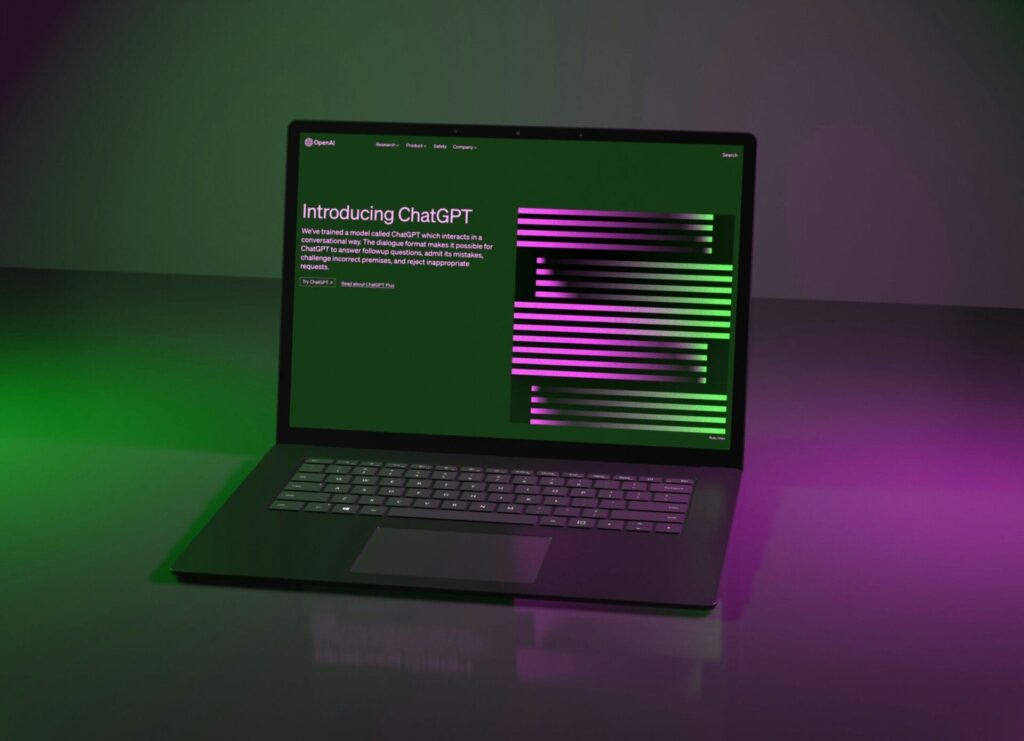
OpenAI has officially announced the ChatGPT for Small Businesses program, designed to help business owners and operating teams adopt artificial intelligence in a structured way. The program combines AI skills training, work automation tools and access to ChatGPT Work, the enterprise-oriented version of the platform. So this is not just an extension of the free plan, but an offering aimed squarely at day-to-day business operations.
For Italian SMEs, the impact is real. Many mid-sized companies still struggle to turn their interest in AI into actual processes. This program lowers the barrier to entry with guided paths and preconfigured use cases. Still, the real challenge remains integration with existing workflows, and that's where qualified consulting support comes in. At SHM Studio, we have been following this evolution for some time, helping companies evaluate and adopt AI tools applied to marketing and digital operations.
In short, the launch of ChatGPT for Small Businesses sends a clear signal: AI is no longer a topic to put off. SMEs that start building in-house skills now will gain a measurable competitive edge over the next 12-18 months. That's why understanding what this program really offers, and what it doesn't, is the first practical step to take.
The ChatGPT for Small Businesses program: what changed on July 21, 2026
OpenAI made the launch of the ChatGPT for Small Businesses program official on July 21, 2026. The initiative is explicitly aimed at business owners and operating teams at small and medium-sized companies. So this is not a technical update to the platform, but an offering built around three pillars: AI skills training, automation of work processes and business growth through ChatGPT Work.
ChatGPT Work is the core of the program. It's positioned as a tool for everyday professional use, with features geared toward business productivity. The program also includes dedicated educational resources (guides, templates and onboarding paths) to help people with no prior technical skills. This marks a break from OpenAI's earlier approach, which was more focused on developers and large organizations.
The immediate impact on marketing and digital operations
For marketing managers and heads of digital at Italian SMEs, the operational implications are many. First of all, automating repetitive tasks such as drafting copy, analyzing texts and summarizing reports becomes accessible without advanced prompt engineering skills. As a result, teams can free up time for higher-value strategic work.
In particular, ChatGPT Work's features plug into existing workflows through connectors and APIs. However, the quality of the integration depends heavily on how a company's data is structured and on its digital maturity. So activating the program isn't enough: you need a preliminary assessment phase to identify which processes can actually be automated. At SHM Studio, we support companies through this phase, avoiding the common mistake of adopting AI tools without an integration strategy.
Likewise, in digital marketing, AI applied to content production and performance analysis can speed up work cycles significantly. For example, ChatGPT Work can concretely support generating variants for A/B campaigns, distilling insights from analytics reports or drafting creative briefs.
Three priority areas of application for SMEs
Based on the features announced by OpenAI, we can identify three areas of application with the greatest potential for Italian SMEs.
- Content production and assisted copywriting: generating text for blogs, emails, product pages and social posts can be sped up considerably. Still, editorial oversight remains essential to ensure a consistent tone and factual accuracy. Our SEO copywriting service already integrates AI tools into a structured editorial process.
- Support for digital campaigns: ChatGPT Work can help with writing ad copy, structuring audience briefs and analyzing campaign results. In particular, for those running Google Ads campaigns or LinkedIn campaigns, AI can cut the time needed to prepare materials.
- Internal communication automation: meeting summaries, minutes, operational briefs. So it's not just about external marketing, but also about your teams' internal efficiency.
What the program doesn't solve on its own
It's worth reading the announcement with a critical eye. The ChatGPT for Small Businesses program lowers the barrier to accessing AI, but it doesn't remove the structural challenges of adoption. According to McKinsey research on AI adoption, most organizations that fail to get the results they expect from AI don't have technology problems, but organizational and cultural ones.
That's why tool training is necessary but not sufficient. You also need to redefine internal processes, train teams to use AI outputs critically and set clear evaluation metrics. Even so, OpenAI's program is a concrete starting point for companies that haven't yet begun a structured journey with AI.
There are also open questions around data governance. SMEs that handle sensitive information (customer data, contracts, commercial strategies) need to carefully review ChatGPT Work's data usage policies. So before adopting it, we recommend a compliance review against GDPR and your internal company policies.
The competitive landscape: why OpenAI is targeting small businesses now
OpenAI's move doesn't happen in a vacuum. Microsoft, with Copilot for Business, and Google, with Workspace AI, have already established their presence in the enterprise segment. As a result, the SME market is a strategic opportunity that's still partly untapped. According to Gartner, by 2027 more than 70% of SMEs in advanced markets will use at least one AI tool regularly in their daily operations.
So OpenAI is getting in early on a segment set to grow fast. The program also builds loyalty: SMEs that adopt ChatGPT Work today are more likely to move up to enterprise plans later. In short, it's a long-term market development strategy, not just a corporate social responsibility gesture toward small business owners.
For Italian SMEs, this means the offering available on the market will get more and more competitive over the coming quarters. Those who start now have the advantage of building in-house skills before adoption becomes a market standard rather than a differentiator.
What to do now: operational priorities for the next 60 days
For marketing managers and heads of digital who want to evaluate the program in practical terms, we suggest a three-phase approach.
- Process assessment: identify the repetitive tasks that eat up the most time in the marketing team and in operations. Then map which of them can be automated with AI without quality or compliance risks.
- Pilot on a specific use case: instead of rolling out ChatGPT Work across all processes at once, start a pilot on a well-defined task, such as producing newsletters or summarizing monthly reports. Then measure the time saved and the quality of the outputs before scaling.
- Team training: OpenAI's program includes educational resources. Still, it helps to add structured in-house training, with company guidelines on AI use and clear criteria for reviewing outputs.
For help with evaluation and implementation, you can contact the SHM Studio team. We offer a preliminary analysis of the processes that can be digitized and an AI adoption plan tailored to your company's specific needs. Our approach also combines AI with your SEO and web development strategies, so the tools you adopt stay aligned with your business goals.
Outlook: where this trajectory leads in 2027-2028
The launch of the ChatGPT for Small Businesses program is a sign that the AI market is maturing. When the major players start building vertical offerings for specific segments, it means the technology has become accessible enough for mass adoption. We therefore expect adoption among Italian SMEs to accelerate over the next 18-24 months, driven in part by competitive pressure.
What's more, even more specific vertical offerings will likely emerge for individual sectors, such as retail, manufacturing and professional services, with preconfigured templates and workflows. As a result, the competitive edge won't come from access to the tools, but from the ability to integrate them with well-defined business processes and a coherent digital strategy. To explore the opportunities of AI applied to marketing and digital operations, the SHM Studio team is available for an initial consultation. Finally, to stay up to date on industry developments, you can follow our blog, where we publish analysis and insights on AI, digital marketing and SEO for the Italian market.
Related articles
Discover more articles exploring similar topics, selected to offer you a more complete and stimulating perspective. Each piece of content is carefully chosen to enrich your experience.