
OpenAI announced a new internal reshuffle. Greg Brockman, co-founder of the company, is taking the lead on product strategy. At the same time, the intention to unify ChatGPT and Codex into a single platform is emerging. This is a move that redesigns the global enterprise AI ecosystem.
Therefore, the implications for Italian SMEs are concrete and immediate. In fact, Codex is currently the go-to tool for AI-assisted code generation. Its integration with ChatGPT could streamline workflows, but it might also change pricing models and API access. However, questions remain about compatibility, the roadmap, and the governance of the unified product.
We at SHM Studio we are keeping a close eye on this evolution. In particular, we are assessing the impact on projects for AI integration already started with our clients. Therefore, anyone building workflows based on OpenAI should update their tech roadmap. In short, the ChatGPT-Codex merger isn't just product news: it's a strategic signal that requires careful reading by any digitally-driven business.
What changed at OpenAI: Brockman back in the spotlight
In mid-May 2026, According to reports by TechCrunch , Greg Brockman has taken direct responsibility for OpenAI's product strategy. The co-founder had been absent from the operational scene for an extended period. Therefore, his return to a central executive role represents a strong signal regarding internal governance.
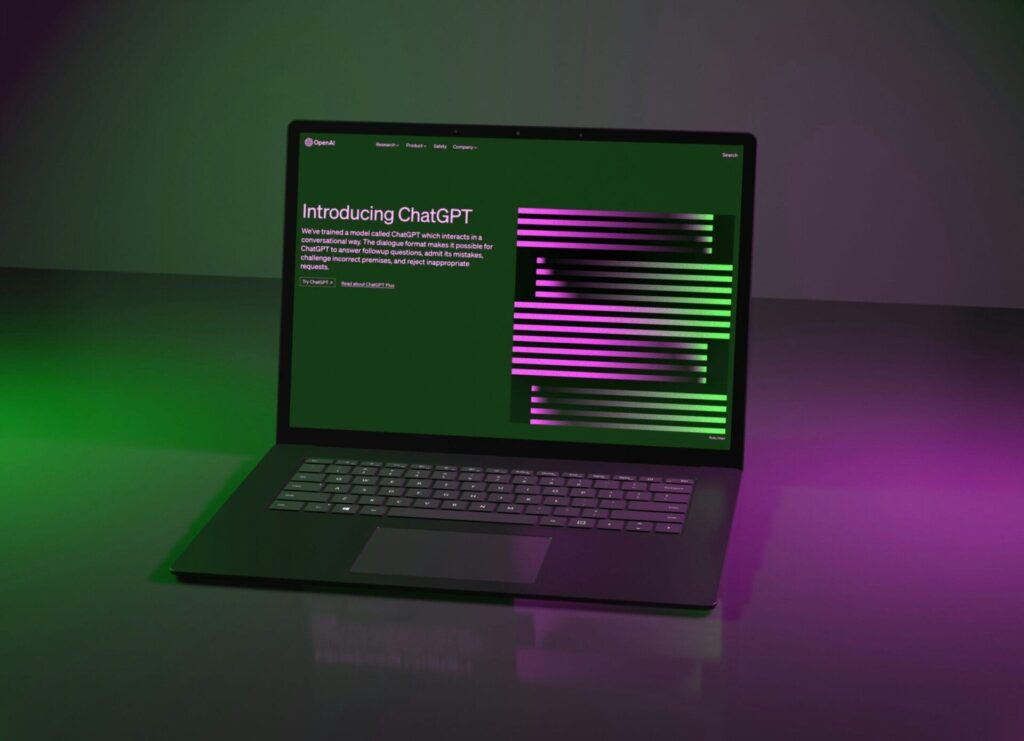
At the same time, even bigger news is emerging for the market. OpenAI is reportedly planning to merge ChatGPT and Codex, its product dedicated to code generation. Thus, two previously distinct products — with different users, pricing, and APIs — could converge into a single integrated surface.
This move isn't isolated. In fact, it's part of a context of intense competition with Google, Anthropic, and Microsoft Copilot. All major players are consolidating their AI offerings into unified platforms. OpenAI, with this reorganization, seems to want to speed up in the same direction.
The ChatGPT-Codex merger: architecture of a change
Codex is the engine powering GitHub Copilot and numerous assisted development tools. ChatGPT, on the other hand, is the world's most popular conversational platform with over 300 million weekly users. Combining the two means creating an environment where natural language and code generation coexist seamlessly.
However, the merger raises non-trivial technical issues. Codex APIs have a different structure than ChatGPT ones. Furthermore, the underlying models have been optimized for different tasks. Consequently, integration will require significant harmonization work, both on the model side and the user interface side.
For companies using OpenAI APIs in production today, this brings up real questions. Specifically, about whether current endpoints will stay stable, how versions are handled, and enterprise contract continuity. Here at SHM Studio we are already gathering these questions from the clients we manage projects for in AI integration .
Immediate impact on the Italian enterprise ecosystem
For Italian SMEs that have adopted OpenAI-based tools, the change has direct operational implications. First of all, you need to check if your workflows depend on specific Codex endpoints. Afterwards, it will be necessary to monitor the official OpenAI roadmap for updates on deprecations.
On top of that, moving Brockman back to lead product strategy points to a more cohesive product vision. OpenAI has historically struggled with a bit of a gap between research and commercial development. On the flip side, having centralized product leadership could speed up feature rollouts and make the roadmap easier to predict.
According to Gartner , by 2027 over 70% of enterprise applications will incorporate generative AI capabilities. Therefore, choosing the reference AI platform becomes a strategic decision, not just a technical one. The ChatGPT-Codex merger could simplify this choice for many organizations, reducing the number of vendors to manage.
What the official press releases don't say
The news was released with neutral tones, but some implications deserve a more critical reading. First of all, the merger of two products with different user bases carries risks of cannibalization. Developers who currently use Codex might not appreciate a more generalist interface. Similarly, ChatGPT's business users might find themselves exposed to unnecessary technical complexities.
Plus, Brockman's comeback happens just as OpenAI is shifting toward a for-profit setup. So, product strategy calls are increasingly driven by monetization goals. In this scenario, merging things could also be about streamlining the product lineup to catch the eye of institutional investors.
Finally, it's worth noting that Harvard Business Review has repeatedly pointed out how tech product mergers often cause disruptions for existing users before yielding real benefits. SMEs would do well not to assume the transition will be pain-free.
What to do now: guidelines for SMEs
The most sensible operational response at this stage is to check your current tech stack. Anyone using AI solutions built on OpenAI should map out their specific dependencies on Codex or the ChatGPT API. This exercise is helpful no matter how the merger ends up.
Therefore, we suggest three concrete actions right away. First, check the official OpenAI documentation for any announcements about deprecations or migrations. Second, evaluate whether there are complementary alternatives—such as Anthropic's Claude models or Google's Gemini—to use alongside the main platform. Third, update supply contracts to include service continuity clauses.
On the front of digital strategy , it's a good time to rethink how AI is talked about to your customers. Companies that built marketing around certain tools might need to freshen up their content. Because of this, some work on strategic copywriting can help keep your brand consistent even during tech transition phases.
Outlook: where OpenAI is heading over the next 18 months
OpenAI's trajectory in the 2026-2027 period seems to be heading towards a unified platform, capable of covering both cognitive and technical work. This positioning directly competes with Microsoft Copilot and the Google Workspace AI ecosystem. Therefore, the battle for the enterprise market is shifting from model quality to integration depth.
For Italian SMEs, this scenario offers opportunities but also lock-in risks. Relying on a single AI ecosystem simplifies management, but reduces negotiating flexibility. Therefore, a multi-vendor strategy — even partial — remains advisable for organizations with critical business continuity needs.
We at SHM Studio we track how these scenarios play out as part of our services for AI consulting and Digital marketing . Anyone who wants to discuss how to position their company in light of these changes can contact us through our contact page . Furthermore, on our Blog we post regular updates on AI, SEO, and digital strategies for the Italian B2B market.
In short, OpenAI's move isn't just product news. It's a sign of where the whole enterprise AI market is heading. SMEs that spot these signals early will be in a better shape to really make the most of it.
Related articles
Discover more articles exploring similar topics, selected to offer you a more complete and stimulating perspective. Each piece of content is carefully chosen to enrich your experience.