
- What has changed with the launch of the OpenAI Partner Network
- The numbers reshaping the global AI market
- How the program works: architecture and partner benefits
- Immediate impact on Italian B2B and retail SMEs
- The still open construction site: critical issues and unknowns of the program
- What to do now: practical tips for SMBs
- 2027-2028 Outlook: where this trajectory leads
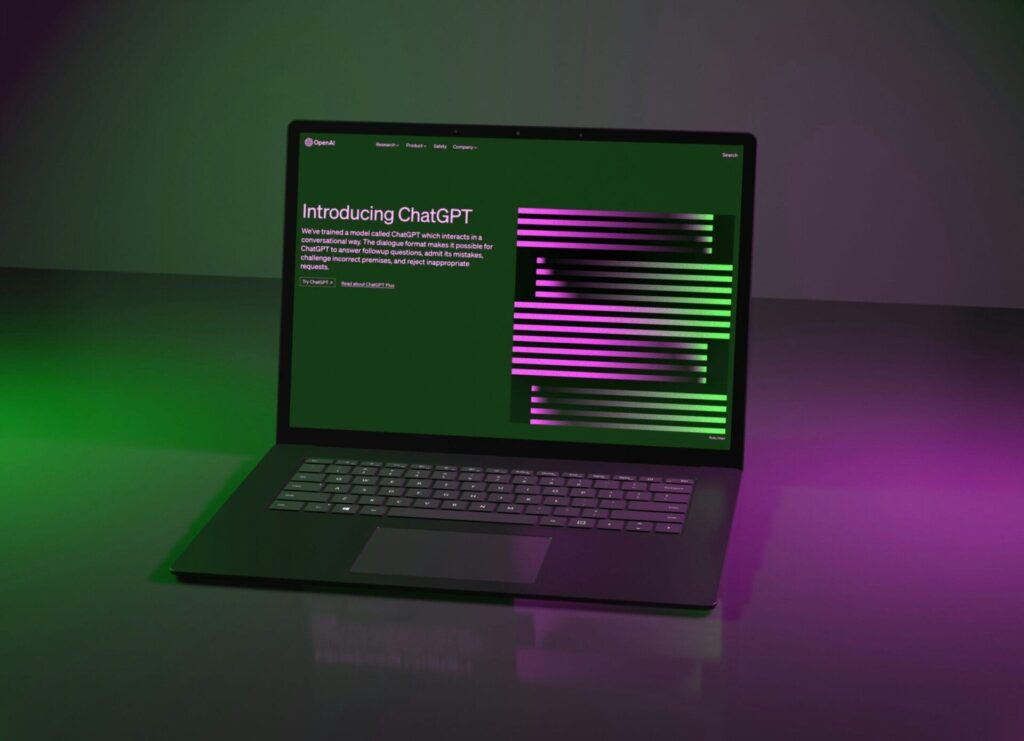
OpenAI has announced the official launch of the OpenAI Partner Network , a structured program supported by an investment of 150 million dollars . The goal is to speed up AI use in big companies by teaming up with tech partners, system builders, and specialized agencies all over the world. So, it's not just a basic business move—it's a total game-changer in how AI tech gets shared!
For Italian SMEs, this news has real-world implications. In fact, the program includes dedicated resources for training, integration, and operational support. As a result, companies tackling AI with certified partners will get more structured and less risky paths. However, picking the right partner remains a critical factor: not all accredited players will be equally good at tailoring solutions to the Italian market.
We at SHM Studio we are keeping a close eye on this evolution. Specifically, we analyze how the OpenAI Partner Network is reshaping the competitive dynamics between digital agencies and system integrators. Therefore, this article offers a strategic take on the announcement, complete with practical tips for SMEs that are considering adopting AI in the short to medium term.
What has changed with the launch of the OpenAI Partner Network
On June 14, 2026, OpenAI officially announced the launch of OpenAI Partner Network , a structured ecosystem of partnerships with global tech players. The announced investment is 150 million dollars . Therefore, this is not a simple commercial affiliate program.
The program reshapes OpenAI's go-to-market model. In fact, up until now, AI products were mostly distributed directly or via APIs. Now, on the flip side, OpenAI is betting on an ecosystem of specialized partners. These players—system integrators, digital agencies, enterprise consultants—are becoming the main vehicle for bringing AI into complex business setups.
Basically, the Partner Network has three levels: tech partners, setup partners, and training partners. Each one tackles different market needs. Because of this, the setup shows OpenAI is getting way more serious about the big-business world.
The numbers reshaping the global AI market
A $150M investment is no small signal. To put it into perspective, it helps to consider that, according to McKinsey , in 2025, 72% of global companies had already integrated at least one AI function into their processes. However, the share of SMEs with structured and measurable adoption remained significantly lower.
So, the gap between large corporations and SMEs remains wide. OpenAI knows this. Consequently, the Partner Network is designed to bridge this divide through intermediary entities capable of translating complex technologies into accessible operational solutions. Moreover, Gartner estimates that by 2027 over 60% of enterprise AI rollouts will go through certified partner ecosystems.
For Italian SMEs, these numbers have a precise meaning. Furthermore, they indicate that the time to structure an AI strategy is not in two years: it is now. Waiting means giving up competitive ground to those who move first.
How the program works: architecture and partner benefits
OpenAI's Partner Network gives verified folks special access to tech resources, sales help, and advanced training stuff. Plus, partners get early peeks at fresh models and beta features. This is a pretty sweet competitive edge for big-company sales!
From a practical standpoint, implementation partners will be able to integrate OpenAI's APIs — including GPT-4o and future models — into vertical solutions for specific industries. For instance, areas like legal tech, HR automation, customer service, and financial analysis are among the most mentioned in the program's official documents. Therefore, verticalization is the stated strategic direction.
For digital agencies like SHM Studio , this scenario opens up concrete opportunities. In particular, the possibility of positioning oneself as a reference partner for SMEs looking for an interlocutor capable of managing both the technological and strategic components. I AI services that we at SHM Studio offer fit right into this context.
Immediate impact on Italian B2B and retail SMEs
For an Italian SME, launching the Partner Network has immediate practical implications. First of all, it increases the availability of qualified players who can support AI solution implementation. However, it also makes choosing more complex: not all partners will have the same contextual expertise in the Italian market.
Retail SMEs, for instance, can cash in on AI solutions for tailored customer experiences, predictive stock management, and campaign tuning. In this case, a partner with all-around skills — ranging from Digital marketing to the technology — offers a real advantage over a purely technical system integrator.
B2B SMEs, on the other hand, can find a structured path in the Partner Network to automate internal processes and boost lead quality using LinkedIn advertising enhanced by AI, and optimize content for organic search using approaches of SEO assisted. Thus, AI stops being an abstract concept and becomes a measurable operational lever.
The still open construction site: critical issues and unknowns of the program
Even so, the Partner Network has some murky areas that need looking into. First off, the criteria for picking and certifying partners aren't fully transparent yet. So, there's a real risk of churning out accredited folks with all sorts of mixed skill levels.
Plus, data governance remains an open issue. European SMEs operate under GDPR, and integrating AI solutions based on models trained on global data calls for careful compliance analysis. Therefore, picking a partner who gets the European regulatory framework isn't just a detail: it's a must-have.
Finally, the concentration of tech power in the hands of a few players—led by OpenAI—raises long-term questions about companies' tech dependency. As pointed out by Harvard Business Review , diversifying AI platforms is still a smart move for organizations aiming for operational resilience.
What to do now: practical tips for SMBs
Faced with this situation, Italian small and medium-sized businesses have a few top moves to keep in mind. Above all, it's a good idea to map out company processes that have the best shot at automation or AI boosting. Not every process fits the bill equally, so picking what comes first is super important.
Next, it's a good idea to look at partners with hybrid skills—both tech and strategy—rather than just relying on purely technical vendors. For instance, an agency that brings together google ads campaigns with AI logics, produces SEO content optimized and manages the overall digital presence offers a more measurable return on investment.
Therefore, the path recommended by SHM Studio is divided into three phases: assessment of sector-specific AI opportunities, selection of the most suitable certified partner for the context, and progressive implementation with KPIs defined ex ante. To learn more, you can check out the section Blog or contact our team directly from the page contacts .
2027-2028 Outlook: where this trajectory leads
Rolling out the Partner Network marks a solid milestone for the worldwide AI ecosystem. Over the next year and a half to two years, we can definitely expect to see certified partners boom, which means they'll be duking it out even more in the Italian market.
Similarly, small and medium enterprises that kick off structured AI adoption paths by the end of 2026 will find themselves in a much stronger competitive spot than those starting in 2027. So, the window to act ahead of the game is still open, but it is shrinking.
For the companies investing in digital presence and in the quality of their marketing processes, AI isn't some distant future. It is a right-now tool. We at SHM Studio keep an eye on how the Partner Network grows and what it means for the Italian market, keeping our deep dives fresh via the Blog and the services dedicated to SMEs.
Related articles
Discover more articles exploring similar topics, selected to offer you a more complete and stimulating perspective. Each piece of content is carefully chosen to enrich your experience.